
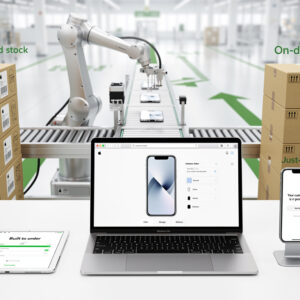
Apple Inc. has quietly implemented a significant change to its online retail operations, transitioning its web store to a build-to-order system that fundamentally alters how customers purchase Mac computers. This strategic pivot, first reported by Slashdot, represents more than a mere operational adjustment—it signals Apple’s recognition of shifting market dynamics, supply chain vulnerabilities, and evolving consumer expectations in an industry increasingly defined by customization and efficiency.
The move to build-to-order represents a departure from Apple’s traditional inventory-heavy model, where pre-configured machines sat in warehouses awaiting purchase. Industry observers note that this transition reflects lessons learned from recent supply chain disruptions and changing consumer behavior patterns. By manufacturing products only after orders are placed, Apple can reduce inventory carrying costs, minimize waste from unsold configurations, and respond more nimbly to component shortages that have plagued the technology sector since the pandemic.
For decades, Apple maintained tight control over its product configurations, offering limited options to streamline manufacturing and maintain quality standards. The company’s retail philosophy emphasized simplicity—customers could choose from a carefully curated selection of models rather than wade through endless customization options. This approach differentiated Apple from competitors like Dell, which built its business model around made-to-order systems in the 1990s. The current shift suggests Apple is recalibrating this balance between simplicity and flexibility.
The Economics Behind Manufacturing Flexibility
The financial implications of build-to-order manufacturing extend far beyond simple inventory management. According to supply chain experts, traditional retail models require companies to forecast demand months in advance, committing capital to inventory that may or may not sell. This approach becomes particularly problematic in the technology sector, where product lifecycles are measured in months and component prices fluctuate rapidly. By shifting to build-to-order, Apple can reduce the financial risk associated with overproduction while maintaining the ability to meet customer demand.
The transition also addresses a persistent challenge in consumer electronics: configuration obsolescence. When Apple releases new processor options or increases base memory specifications, existing inventory immediately becomes less valuable. Build-to-order systems eliminate this problem by ensuring that every machine manufactured incorporates the latest available components. This approach not only improves margins but also enhances customer satisfaction by guaranteeing that purchasers receive the most current specifications available at the time of order.
Supply Chain Resilience in an Uncertain Global Economy
The semiconductor shortage that began in 2020 exposed critical vulnerabilities in electronics manufacturing. Companies that relied on large inventories of finished goods found themselves unable to adapt when specific components became unavailable. Build-to-order systems provide greater flexibility to substitute components or adjust configurations based on real-time supply availability. This agility proves particularly valuable when dealing with the complex, multi-tiered supply chains that characterize modern electronics manufacturing.
Apple’s supply chain has long been considered among the most sophisticated in the world, with the company maintaining close relationships with suppliers and investing heavily in manufacturing infrastructure. The shift to build-to-order leverages this expertise, allowing Apple to optimize production schedules based on actual demand rather than forecasts. This approach reduces the bullwhip effect—where small fluctuations in retail demand create increasingly large swings in manufacturing orders—that has historically plagued supply chain management.
Customer Experience and Delivery Expectations
The success of build-to-order systems depends critically on managing customer expectations around delivery times. Consumers have grown accustomed to rapid fulfillment, with Amazon and other retailers offering same-day or next-day delivery on many products. Apple’s transition requires careful communication about lead times and the value proposition of customization. The company must convince customers that waiting several days or weeks for a machine built to their specifications provides greater value than receiving a pre-configured model immediately.
Industry analysts note that Apple’s brand strength and customer loyalty provide advantages in this transition. Apple customers have historically demonstrated willingness to wait for products, as evidenced by the long queues that form during new iPhone releases. This patience, combined with Apple’s reputation for quality and customer service, may insulate the company from backlash over extended delivery times. However, the transition also creates opportunities for competitors to emphasize their own inventory availability and faster shipping options.
Implications for Retail Partners and Third-Party Sellers
The shift to build-to-order on Apple’s website raises questions about the company’s relationship with retail partners like Best Buy, which have traditionally stocked Apple products for immediate purchase. These retailers provide crucial touchpoints for customers who want to see and test products before buying. The new system could create a two-tiered market: immediate availability of standard configurations through retail partners and customized builds available only through Apple’s website.
This dynamic could strengthen Apple’s direct-to-consumer channel while potentially reducing the appeal of third-party retailers. However, retail partners offer advantages that Apple’s online store cannot replicate, including immediate gratification, hands-on product experience, and face-to-face customer service. The most likely outcome involves a hybrid approach where retail partners continue to stock popular configurations while Apple’s website serves customers seeking specific customizations or less common specifications.
Environmental Considerations and Sustainability Goals
Apple has made significant commitments to environmental sustainability, pledging to become carbon neutral across its entire supply chain by 2030. Build-to-order manufacturing aligns with these goals by reducing waste from unsold inventory and minimizing the environmental impact of storing and eventually disposing of obsolete products. Manufacturing products only when ordered ensures that every machine produced serves a customer need rather than potentially ending up as electronic waste.
The environmental benefits extend beyond waste reduction. Build-to-order systems enable Apple to incorporate the latest energy-efficient components into every machine, rather than depleting inventory of older, less efficient configurations. This approach accelerates the adoption of improved technologies and helps Apple meet its sustainability targets. Additionally, the ability to substitute components based on availability may allow Apple to choose suppliers with better environmental practices when multiple options exist.
Technology Infrastructure and Manufacturing Automation
Implementing build-to-order at scale requires sophisticated technology infrastructure to manage orders, coordinate with suppliers, and optimize manufacturing schedules. Apple has invested heavily in automation and data analytics capabilities that make such systems feasible. Modern manufacturing facilities can reconfigure production lines rapidly, assembling different specifications without the lengthy changeover times that once made customization prohibitively expensive.
The company’s control over both hardware and software provides unique advantages in this transition. Apple designs its own processors and maintains close integration between components, simplifying the customization process compared to manufacturers who rely on third-party components with varying compatibility requirements. This vertical integration enables Apple to offer customization options while maintaining the quality control and reliability standards that define its brand.
Competitive Dynamics and Market Positioning
Apple’s move to build-to-order comes as the personal computer market faces headwinds from slowing sales and increased competition. The shift allows Apple to differentiate its offerings through customization while maintaining premium pricing. Customers willing to pay for exactly the specifications they need may find greater value in Apple’s offerings compared to competitors’ pre-configured machines that include unnecessary features or lack desired options.
The transition also positions Apple to compete more effectively in professional and enterprise markets, where specific configurations often represent critical requirements rather than mere preferences. Video editors need maximum memory and storage; software developers require powerful processors; graphic designers demand superior displays. Build-to-order systems enable Apple to serve these specialized needs without maintaining extensive inventory of niche configurations.
Looking Ahead: The Future of Consumer Electronics Retail
Apple’s shift to build-to-order may represent a broader trend in consumer electronics retail. As manufacturing becomes more flexible and supply chains more sophisticated, the traditional model of stocking pre-configured inventory appears increasingly obsolete. Companies that can deliver customized products with acceptable lead times gain competitive advantages in customer satisfaction and operational efficiency.
The success of this transition will depend on execution—managing customer expectations, maintaining quality standards, and delivering products within promised timeframes. Apple’s track record suggests the company has carefully planned this shift, but challenges inevitably arise when implementing major operational changes. How Apple navigates these challenges will provide valuable lessons for the broader technology industry and may influence how other manufacturers approach retail operations in an era of increasing customization and supply chain complexity. The build-to-order model represents not just a change in how Apple sells computers, but a reimagining of the relationship between manufacturers, retailers, and consumers in the digital age.
from WebProNews https://ift.tt/JkFIxrG


No comments:
Post a Comment