Showing posts with label Smart Blogger. Show all posts

Thursday, 12 November 2020

17 Sites with High-Quality, Royalty-Free Stock Photos (2021)

It’s not difficult to find sites with free stock photos these days. A quick Google search will yield so many results, your head will spin.

No, the real challenge is finding sites with the right photos.

By that we mean interesting, high-quality stock images that’ll make your blog or freelance project shine.

It’s also difficult to find sites with simple licensing agreements that clearly lay out what you can and can’t do with an image.

Or at least, it was difficult.

We’ve put together a list of the 17 best sites for high-quality, royalty-free stock images. It’ll be the go-to resource you can bookmark and reference over and over.

But enough talk. Let’s dive in.

1. Gratisography

Gratisography is a free stock photo site created by Ryan McGuire, founder of the graphic design firm Bells Design.

free stock photos big head
Photo by Ryan McGuire on Gratisography

While they don’t have the image volume of some stock photo sites, they do have a unique angle that makes their photos stand out — their photos are less stocky and more comedic than other sites.

Or as Gratisography describes it: “Truly unique. Usually whimsy. And always free.”

New pictures are added weekly.

Free Stock Photos? What’s the Catch?

All Gratisography images are licensed under CC0.

Allowed:

  • Images can be used for commercial and non-commercial projects.
  • You can edit photos to your liking.
  • You can sell products with the images on them.

Not Allowed:

  • Identifiable people in the images may not be portrayed in a bad or offensive way.
  • Don’t use images for unlawful, defamatory, hateful, or immoral purposes.
  • Don’t imply endorsement of your product by the people in the images or Gratisography.
  • You can’t redistribute or sell photos on other stock photo sites.

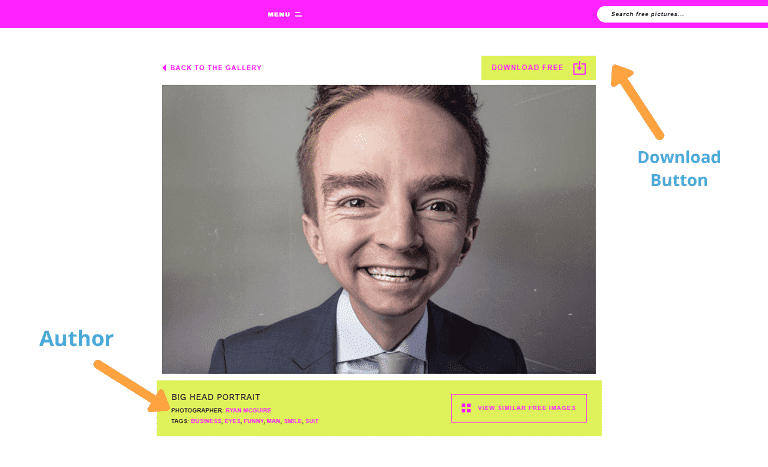
How to Navigate Gratisography’s Website
stock photo sites gratisography layout

2. Pexels

Pexels has a huge collection of free stock photos and videos. They have one of the easiest to navigate curated collections of any stock photo site.
free stock photos astronaut
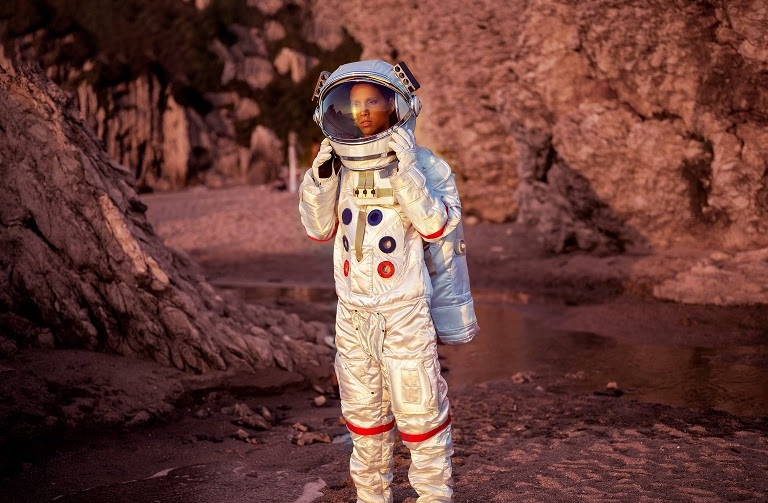
Photo by Murat Esibatir on Pexels

Pexels’ Leaderboard page shares their most viewed photos of the last 30 days, making it easier to find popular images.

They also have a great blog and social media presence where they share tips on photography and curated work from their best contributors.

High-Quality Images for Free? What’s the Catch?

All Pexels images, including those aggregated from sites like Gratisography and Little Visuals, are licensed under CC0.

Allowed:

  • Photos & videos are free to use, no attribution required.
  • You can edit photos and videos as you like.

Not Allowed:

  • Identifiable people in the images may not be portrayed in a bad or offensive way.
  • Don’t sell unaltered photos, on products or otherwise, without first modifying it.
  • Don’t imply endorsement of your product by the people in the images.
  • The use of Pexels content in any political context is forbidden.
  • Don’t redistribute or sell photos on other stock photo sites.

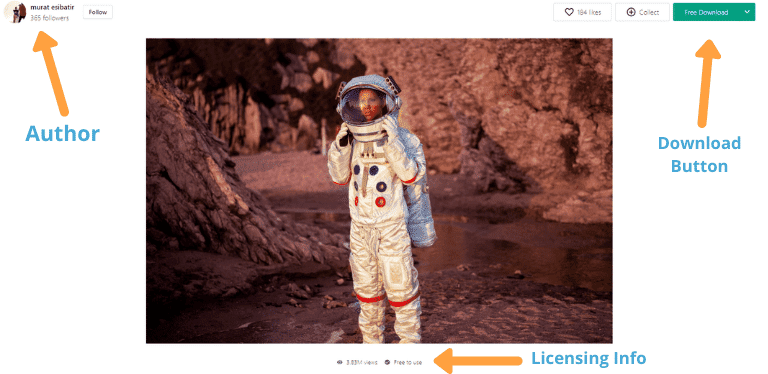
How to Navigate Pexels’ Website
stock photo sites pexels layout

3. Pixabay

Pixabay stands out among stock photo sites because of their extensive image library. They have over 1.8 million high-quality photos, vectors, and illustrations.

free stock photos street view
Photo by Juergen Polle on Pixabay

While they have all types of content, they cater especially to marketers and entrepreneurs and their images tend to be business and marketing oriented.

Their visually striking & captivating images are great for grabbing the attention of readers and customers.

Free Images? What’s the Catch?

All Pixabay images are licensed under CC0.

Allowed:

  • All content can be used for commercial and non-commercial purposes, no attribution required.
  • Content can be modified as you like.

Not Allowed:

  • Don’t redistribute or sell images on other platforms.
  • You can’t sell unaltered copies of images.
  • Don’t portray identifiable people in a negative way.
  • Don’t imply a misleading association between people/brands featured in the images and your product.

How to Navigate Pixabay’s Website
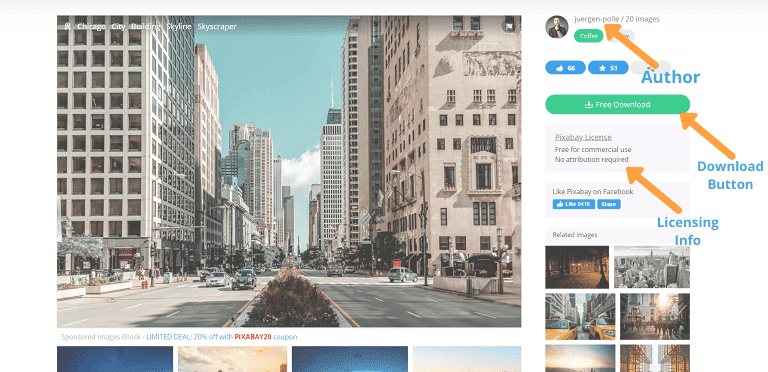
stock photo sites pixabay layout

4. Unsplash

Unsplash began as a Tumblr blog in 2013, but now has one of the largest stock photo libraries online.

free stock photos woman jogging 1
Photo by Robert V. Ruggiero on Unsplash

They boast over 2 million available images from over 200,000 contributors. And they add 10 new photos every 10 days.

Their library is well-curated and easy to search, so finding the right image won’t be difficult.

They also have a “Made With Unsplash” page dedicated to sharing projects created with Unsplash images, in case you need some inspiration.

Royalty-Free Images? What’s the Catch?

All Unsplash images are licensed under CC0.

Allowed:

  • You can use the images for commercial and non-commercial purposes, no attribution required.
  • You may modify the images as you like.

Not Allowed:

  • Images can’t be sold without significant modification.
  • Don’t redistribute or sell images on other platforms

How to Navigate Unsplash’s Website
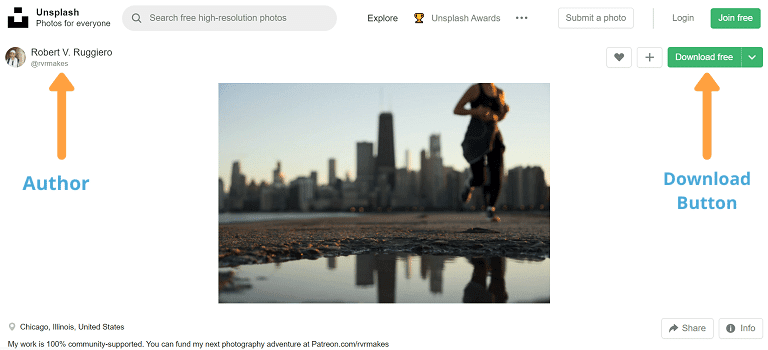
stock photo sites unsplash layout

5. Burst

Burst is a stock photo site owned by Shopify that caters to e-commerce brands and entrepreneurs seeking photos for commercial use.
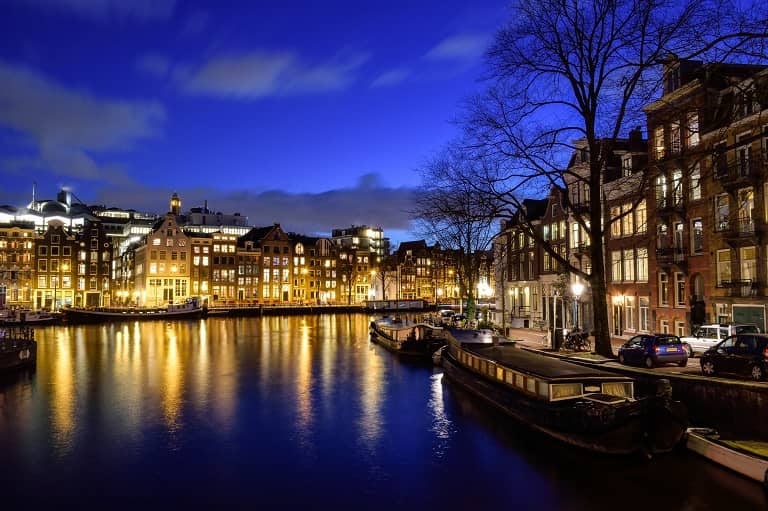
free stock photo city on river
Photo by Bruno Passos on Burst

Their images are curated by industry and other easily navigable categories, like Products, Retail, and Fashion.

But they provide their target market with even more value beyond just images. They share great tutorials on how to use their images in marketing campaigns (i.e. Facebook Ads, product photos, online videos, etc.) And they have a “Business Ideas” page that shares case studies of online businesses created by their users.

Free Stock Images? What’s the Catch?

Some Burst images are released under CC0, while others fall under Shopify’s photo license.

Allowed:

  • You can use the images for commercial and non-commercial purposes, no attribution required.
  • You may modify the images as you like.

Not Allowed:

  • Photos may not be used for unlawful or immoral purposes.
  • Photos may not be used in a way that embarrasses or damages the reputation of identifiable people in the photo.
  • May not use photos to imply endorsement of your product.
  • You may not offer Shopify licensed photos for sale in any way.
  • May not sell or compile photos for a competing stock photo service

How to Navigate Burst’s Website
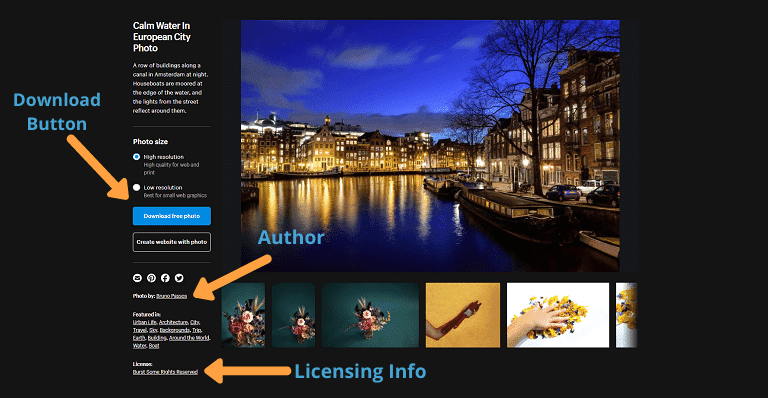
stock photo sites burst layout

6. StockSnap.io

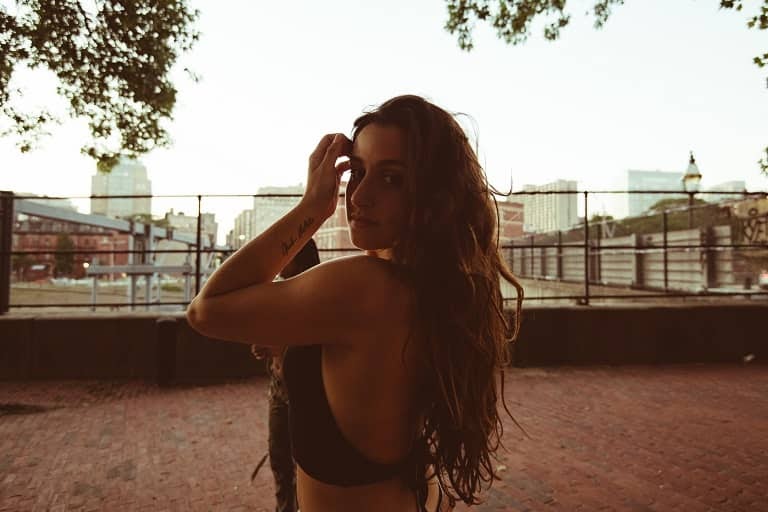
StockSnap.io has a large selection of easily searchable stock photos. And they add hundreds of new images every week.
free stock photo woman posing
Photo by Matt Moloney on StockSnap

One thing that immediately stands out about their images is how bright and energetic they tend to be.

Categories include business, beach, city, food, fashion, work, health, and more.

Check out their “Trending” page to find their most popular images.

Free High-Resolution Images? What’s the Catch?

All StockSnap images are licensed under CC0.

Allowed:

  • You can use the images for commercial and non-commercial purposes, no attribution required.
  • You can modify images as you like.

Not Allowed:

  • May not use images to imply endorsement of company, product, or service.

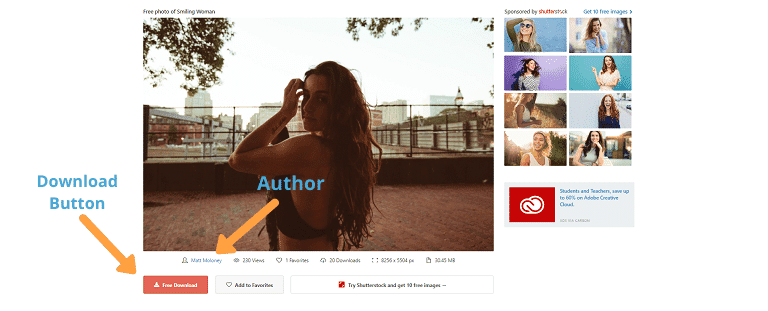
How to Navigate StockSnap’s Website
stock photo sites stocksnap layout

7. Kaboompics

Kaboompics is a stock photo site created by Karolina Grabowska.

free stock photos holding seashells
Photo by Karolina Grabowska on Kaboompics

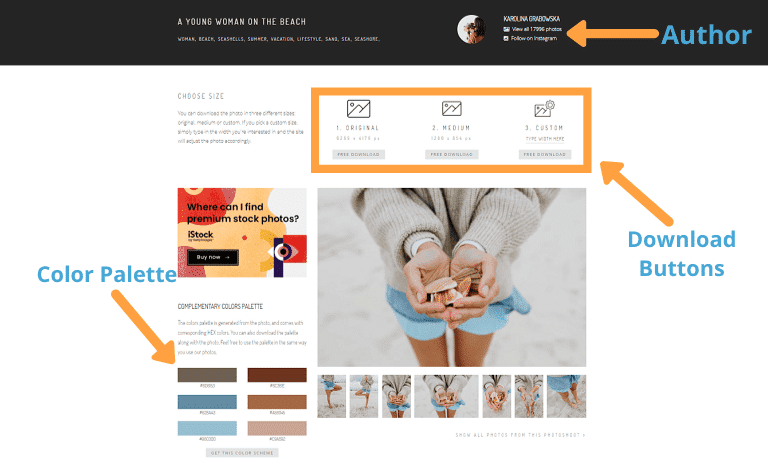
One of my favorite things about this site is that each image comes with a feature that shows the dominant color palette in the image. making it easier for you to create a complementary color palette when altering them.

The images are organized by photo shoot, so if you search a keyword you can often get the same photo from different angles. You can filter searches by image orientation and dominant color palette.

Free Stock Photos? What’s the Catch?

Photos released under Kaboompics License.

Allowed:

  • Photos can be used for commercial and non-commercial purposes, without attribution.
  • Photos can be edited and modified.

Not Allowed:

  • Don’t portray identifiable people in a negative or offensive way.
  • Don’t sell unaltered photos or products featuring unaltered photos.
  • You can’t redistribute or sell photos on other stock photo sites.

How to Navigate Kaboompics’ Website
stock photo sites kaboompics layout

8. Life of Pix

Life of Pix doesn’t have the volume of some other stock photo sites. But their photos and videos, donated to the public domain by the Leeroy Advertising Agency, are unique and cool.

free stock photos city view
Photo by Sailoralex on Life of Pix

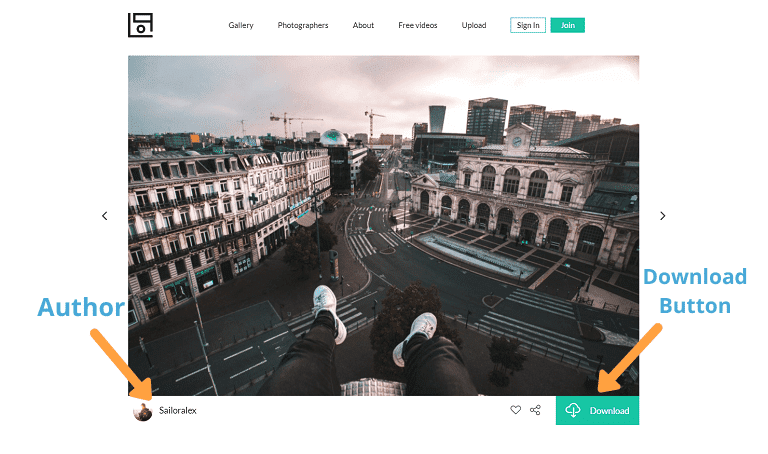
They have one of the best search tools of any site on this list. The easy-to-use functionality allows you to filter searches by category, color, and orientation.

And they highlight top photographers, making it easier to discover fantastic new artists.

High-Quality Photos for Free? What’s the Catch?

All Life of Pix images are licensed under CC0.

Allowed:

  • Photos can be used for commercial and non-commercial purposes, no attribution required.
  • Photos can be edited and modified as you like.

Not Allowed:

  • Mass redistribution of photos is forbidden.

How to Navigate Life Of Pix’s Website
stock photo sites life of pix layout

9. New Old Stock

New Old Stock is definitely a niche stock photo site. But if you need vintage photos for a project, this is the place to go.
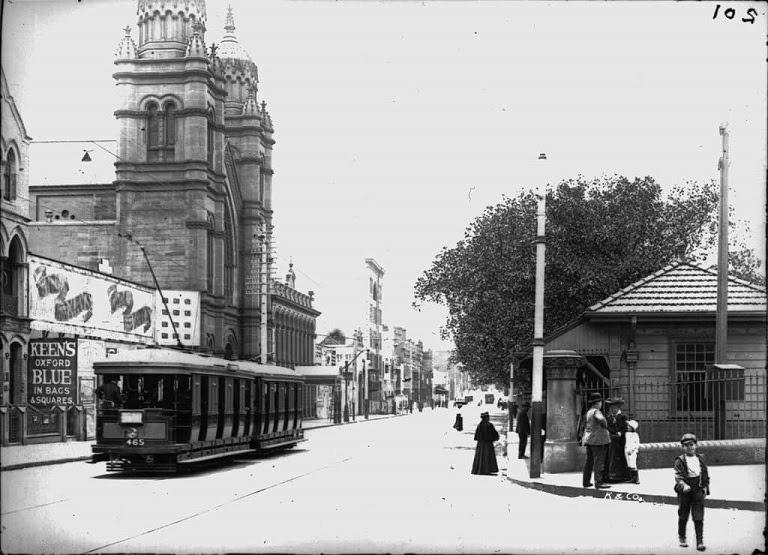
free stock photo vintage city street
Photo courtesy of Powerhouse Museum Collection on New Old Stock

They share old, vintage photographs — curated from Flickr — that are free of copyright restrictions.

Their photos come from people and organizations who’ve agreed to share the photos based on the rules of Flickr Commons.

Free Vintage Photos? What’s the Catch?

All photos are available in the public domain based on the institution’s participation in Flickr Commons.

Allowed:

  • Commercial and non-commercial use
  • Some institutions require a link back to their original Flickr post.

Not Allowed:

  • Each image comes with it’s own unique set of restrictions. Check before using.

How to Navigate New Stock Photos’ Website

The layout for New Stock Photos is different from the others on this list. Like Jay Mantri and a few other stock photo sites we didn’t include, New Stock Photos’ site uses Tumblr.

Here’s how you use it:

Step 1: Click on the image title of the picture you’d like to download. This will take you to the Flickr page of the institution that shared the image. Link back to this page if you give attribution.
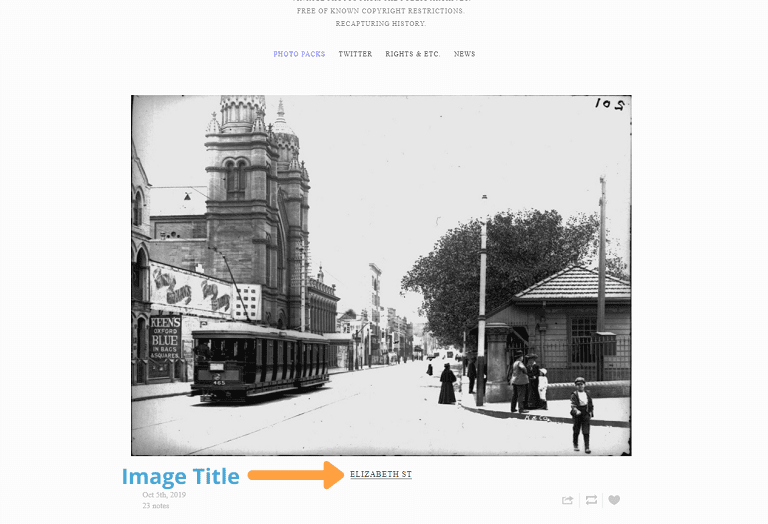
stock photo sites new old stock layout2

Step 2: Click on the download button to download the image. Be sure to check the licensing info to see if there are any requirements for using the image.
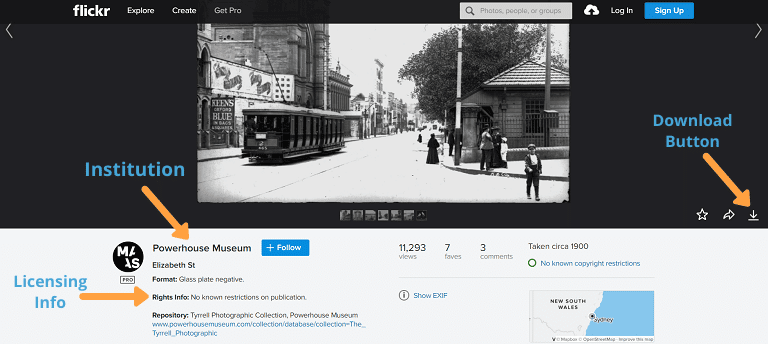
stock photo sites new old stock layout

10. Picjumbo

Picjumbo was created by a 26 year old Czech photographer named Viktor Hanacek.

free stock photos boats on pier
Photo by Viktor Hanacek on Picjumbo

It has a large library of stock photos and wallpapers, and caters to bloggers, designers, and entrepreneurs. Their collection of images spans many categories, including business, abstract, wallpapers, travel, nature, vintage, and more.

Most of their photos are free, but their paid premium membership gives you access to even more high-quality images.

You can also take advantage of their newsletter, blog, and design resources.

Free Images? What’s the Catch?

All Picjumbo images are licensed under CC0.

Allowed:

  • You can use the images for commercial and non-commercial purposes, no attribution required.
  • You may modify the images as you like.

Not Allowed:

  • No selling or redistributing photos.

How to Navigate Picjumbo’s Website
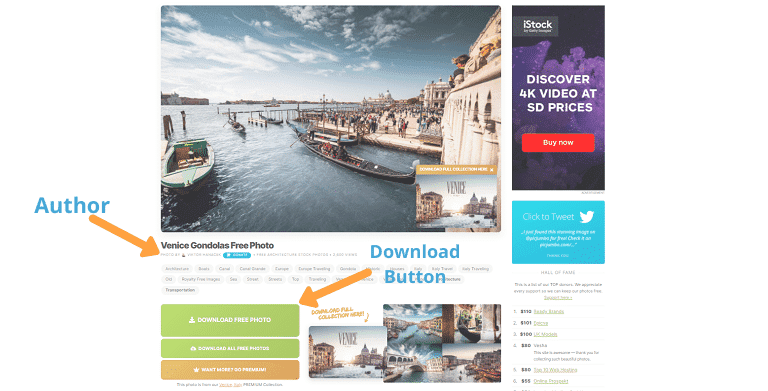
stock photo sites picjumbo layout

11. Reshot

Reshot is a photography community that aims to unify “creators via a free exchange of the world’s best visual content.”
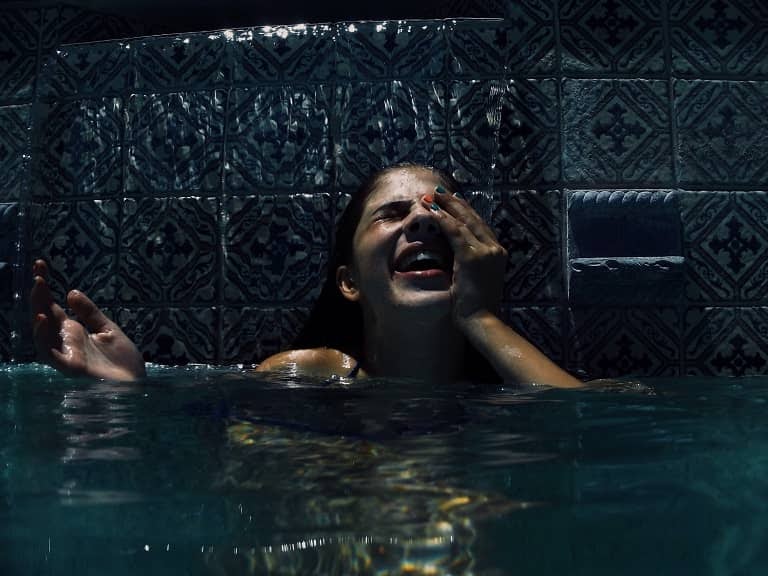
free stock photos woman in water 1
Photo by Amelia Kovacs on Reshot

They have an extensive collection of “non-stocky” images. You can also download their “Photo Packs” of curated themed images.

With photographers all around the world contributing, they’re likely to have any unique photo you’ll need.

Royalty-Free Images? What’s the Catch?

All Reshot images are licensed under CC0.

Allowed:

  • You can use the images for commercial and non-commercial purposes, no attribution required.
  • You may modify the images as you like.

Not Allowed:

  • No selling or redistributing photos.

How to Navigate Reshot’s Website
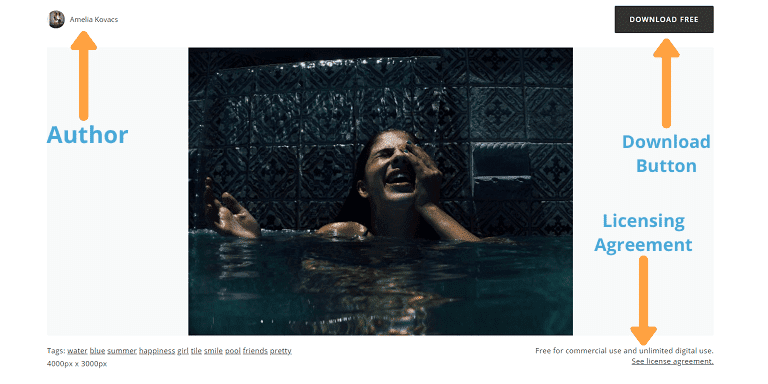
stock photo sites reshot layout

12. Stockvault

If you’re looking for really high-quality images, then look no further than Stockvault.

free stock photo sunrise in woods
Photo by Yosafat on Stockvault

Stockvault offers over 138,000 stock photos, stock vectors, and HD and 4K stock footage submitted by creatives all around the world. Their image library spans more categories than just about any other stock photo site on the web.

The site also hosts a blog, free tutorials on everything from designing images to using photoshop, and other resources.

Free Stock Images? What’s the Catch?

Stockvault images are licensed under CC0, commercial, and non-commercial licenses. Check with each image before use.

Allowed:

  • You can use and modify all photos, without attribution.
  • Some photos can be used for commercial and non-commercial purposes.

Not Allowed:

  • Some images can’t be used for commercial purposes
  • You may not sell or license images without altering them.
  • You may not claim ownership of an image in its original state.

How to Navigate Stockvault’s Website
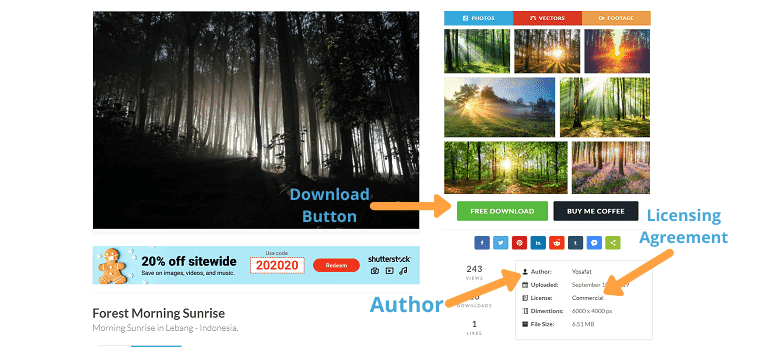
stock photo sites stockvault layout

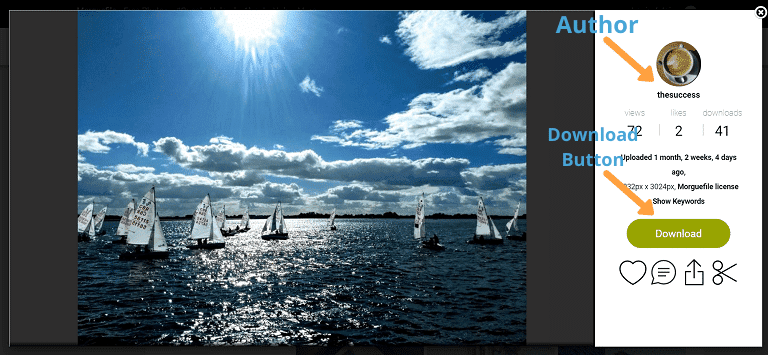
13. Morguefile

Morguefile is a community where photo hobbyists and professionals share photos, videos, vectors, and templates for others to use in creative works.
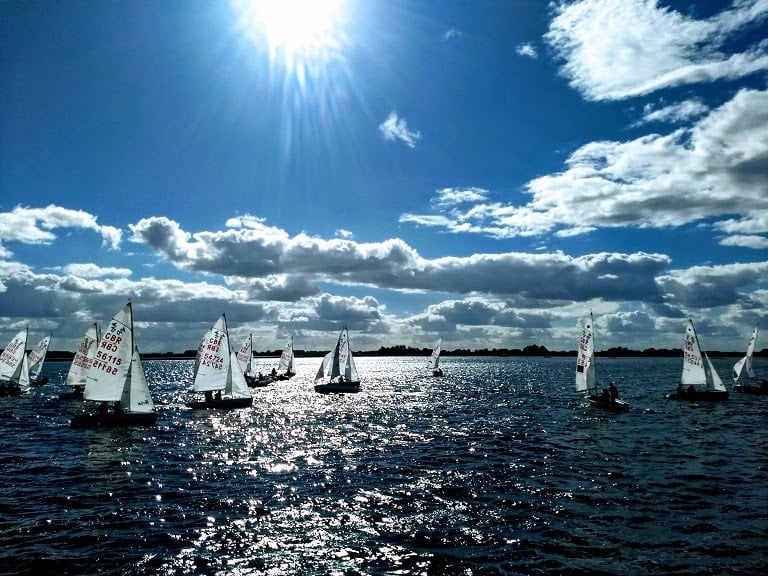
free stock photos boats at sea
Photo by TheSuccess on Morguefile

Two features of the site really help Morguefile stand out:

One, they have an active community of creators who curate photos, regularly engage in creative discussions on the site, and share their knowledge of photography and design in Morguefile’s “Classroom.”

Two, their “Quest” feature. You can create a photo assignment (or Quest) for a specific theme or image you want. Anyone in their community of photographers can try to capture what you’re looking for and submit it on the site for you and others to use.

Free High-Resolution Images? What’s the Catch?

All Morguefile images are licensed under CC0.

Allowed:

  • You can use the images for commercial and non-commercial purposes, no attribution required.
  • You may modify the images as you like.

Not Allowed:

  • No selling, licensing, renting, or distributing images without first altering them.
  • You cannot claim ownership of an image in its original state.

How to Navigate Morguefile’s Website
stock photo sites morguefile layout

14. Creative Commons

Creative Commons is a nonprofit organization dedicated to simplifying the licensing and sharing of creative and academic works. Creators can upload their works and choose a creative commons license that suits them. They’re behind the CC0 license that every site in this list uses for their photos.

free stock photo woman and sparks
Photo by DarkDay on Creative Commons

The licensing agreements on their site vary from image to image. But a description of how each image can and can’t be used is clearly laid out next to each photo.

What’s more, they have the best search features of any stock image site. You can filter searches by use (commercial or non-commercial), licensing, image size, image type, source, and more. So finding the right image for your needs is easy.

Free High-Resolution Images? What’s the Catch?

Creative Commons image licenses vary. Be sure to filter searches by your desired license agreement and check all images. All images require attribution.

How to Navigate Creative Commons’ Website
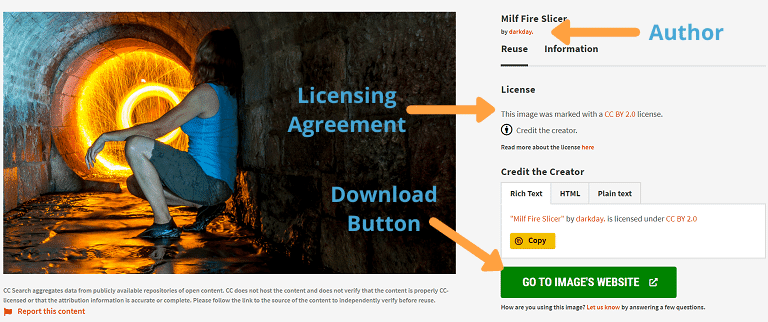
stock photo sites creative commons layout

15. Freestocks.org

Freestocks.org is a simple stock photo site containing a large selection of high-resolution images in a variety of categories, including animals, architecture, city, nature, fashion, and more.

free stock photos french bulldog
Photo by Joanna Malinowska on Freestocks

The site is run by 3 photographers who create all the images on the site.

While they may not have the largest selection of images, their photos are unique and very high-quality.

Free High-Resolution Images? What’s the Catch?

All Freestocks images are licensed under CC0.

Allowed:

  • You can use the images for commercial and non-commercial purposes, no attribution required.
  • You may modify the images as you like.

Not Allowed:

  • You cannot redistribute on other stock photo sites.

How to Navigate Freestocks’ Website
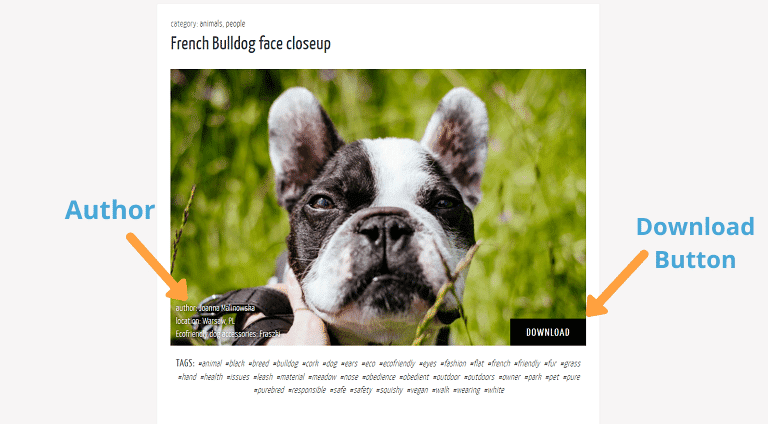
stock photo sites freestocks layout

16. Picspree

Picspree is a community of image creators who share their content for others to use.
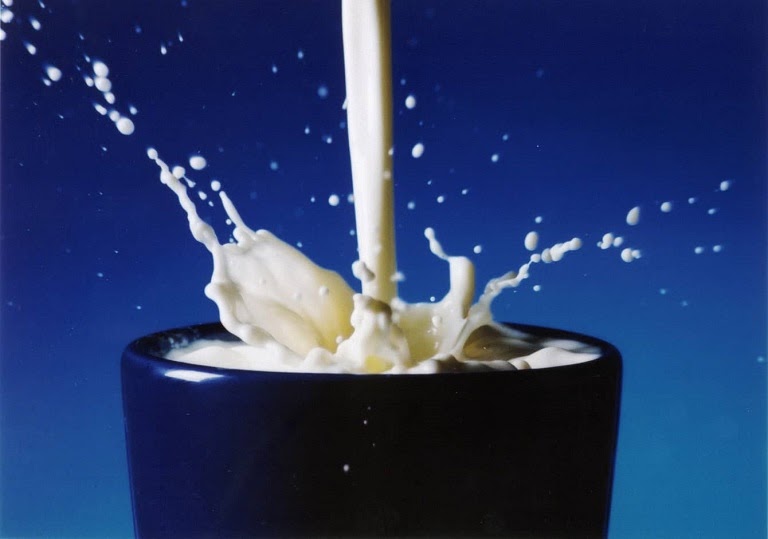
free stock photos milk in glass
Photo by Alecsandro Andrade de Melo on Picspree

They have a large library of free images in a wide variety of categories. They also offer a premium membership program that grants access to a larger library of high-quality images.

The site also hosts articles and resources that you may find useful.

Free High-Resolution Images? What’s the Catch?

All Picspree images are licensed under CC0.

Allowed:

  • You can use the images for commercial and non-commercial purposes, no attribution required.
  • You may modify the images as you like.

Not Allowed:

  • Images cannot be resold in any way without first modifying them.

How to Navigate Picspree’s Website
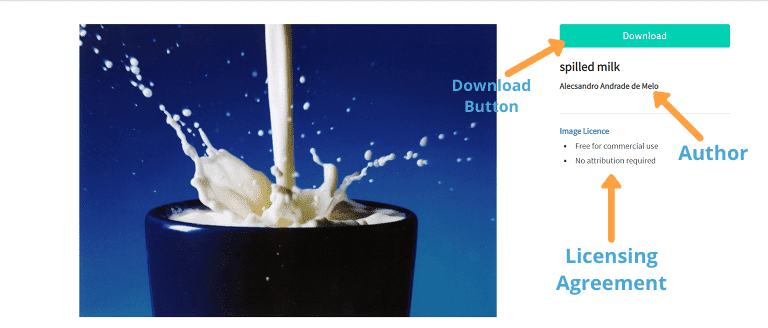
stock photo sites picspree layout

17. Skitterphoto

Skitterphoto was created in 2014 by two photographers in the Netherlands. It’s since grown into a community where photographers around the world can upload and share their photos for others to use.

free stock photos long dock
Photo by Peter Heeling on Skitterphoto

Skitterphoto has a large selection of excellent images all in the public domain. And they have a cool feature that enables you to easily donate money to the authors from any image’s download page.

Free High-Resolution Images? What’s the Catch?

All Skitterphoto images are licensed under CC0.

Allowed:

  • You can use the images for commercial and non-commercial purposes, no attribution required.
  • You may modify the images as you like.

Not Allowed:

  • When using images, do not imply endorsement by the creator.

How to Navigate Skitterphoto’s Website
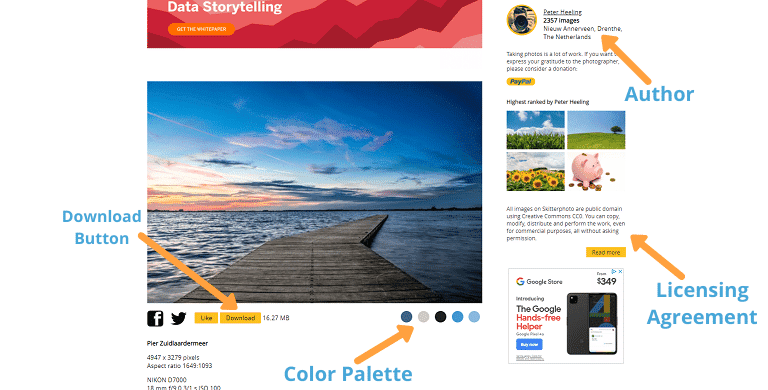
stock photo sites skitterphoto layout

Quick Note On Licensing Agreements

Licensing agreements determine how much control image creators have over how their images are used.

Most stock photography sites license their images under an agreement called Creative Commons Zero (CC0). It puts the images in the public domain, enabling you to use them in any project you like, however you like (with some small exceptions), and without giving the author credit.

However, many sites also place some restrictions on how you use their images. For example, you may not be able to use a photo for immoral purposes (i.e. adult content, promoting drugs, etc.) or to imply endorsement of your business or product by the people in the image.

On some sites, the licensing agreement varies from image to image. While some images have no restrictions, others may be limited to non-commercial use or require that you give credit to the author.

And no matter what the licensing agreement is on the site or photo, you’re never allowed to use images that feature copyrighted brands, models, or properties unless given permission by the owner of the copyright. So, if a photo has a Nike logo in it, then you’ll need permission from Nike to use the image for any commercial purpose.

Bottom line?

Licensing agreements vary from site to site.

While we’ve provided a quick summary of each site’s licensing agreement, you should always double-check the agreement on each site and image before using it.

And, when in doubt, contact the site, photographer, or owner of any potentially copyrighted materials in an image for clarity.

Make Your Next Project Shine!

You don’t need to buy licenses for high-resolution photos from sites like Getty, Shutterstock, and Depositphotos to fill your blog posts and articles with great visuals.

That’s because the 17 free stock photo sites on this list will likely have all the pics you need.

Each site has simple licensing agreements that clearly lay out how you can use their images and what legal requirements you need to follow.

Before you go, be sure to bookmark this article for easy reference.

And the next time you need visual content, refer back to this list to find the perfect stock image that’ll make your project pop!

The post 17 Sites with High-Quality, Royalty-Free Stock Photos (2021) appeared first on Smart Blogger.


from Smart Blogger https://ift.tt/32CBR9U

Thursday, 29 October 2020

10 Great Copywriting Examples (+ Takeaways for Copywriters)

How useful would it be to have a handy list of great copywriting examples bookmarked for inspiration?

A swipe copy of high-quality examples that inspire you to write engaging website copy, perky popups, and emails that zing with persuasion.

Best of all, how wonderful would it be to understand why those copywriting examples are so effective and what techniques you can steal to improve your own writing?

That’s what you’ll find here. Hot tips, tangible advice, and resources to take your adverts, taglines and other sales copy from meh to mind-blowing.

Let’s dive in.

Great Copywriting Examples (+ Takeaways for Copywriters)

What Makes These Copywriting Examples Good Enough for Our Swipe File?

You know those ads on Google and Facebook? What about all that stuff in your mailbox you forgot you subscribed to? Those are examples of copywriting.

But are they great copywriting examples? Probably not.

Great copywriting is when the words compel you to sit up, take notice, and do something.

You see, killer copywriting triggers an emotional reaction so deeply rooted in our psychology, we’re unable to control it. Emotions like greed, compassion, envy, the need to belong, or the fear of missing out.

Good copywriting says, ‘trust me, I have the solution. You can stop looking.’ And that’s what our examples do.

It can be as simple as writing copy that tempts us with something free. Or convincing us to spend up big because it increases our self-esteem and social worth.

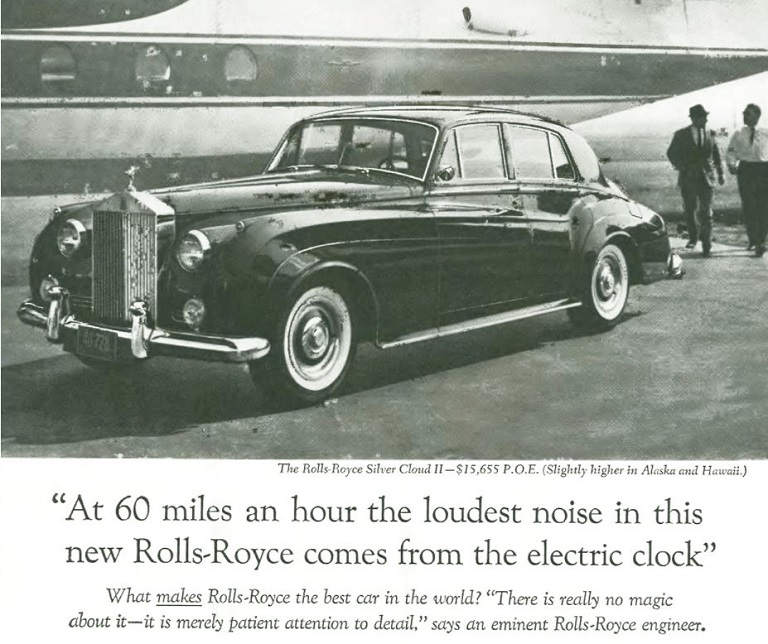
Like this 1958 classic from the “Father of Advertising”, David Ogilvy:

Copywriting examples David Ogilvy

Ogilvy knew what made his target audience tick. His headline put them in the driver’s seat. They could smell the plush leather and hear the purring of the engine under the assured ticking of the clock.

Best of all, they could feel the envious stares of other drivers, clattering past in their clunkers and rattletraps, wishing they too could join the exclusive Rolls-Royce owners club.

It was the longest running and most successful Rolls-Royce ad, resulting in a 50% increase in sales in its first year, and it formed the go-to template used by many copywriters. No list of great copywriting examples would be complete without it.

Now let’s look at 10 more copywriting examples that target a range of psychological triggers and compel us to say, ‘Yes please! Where’s the Buy Now button?’

Copywriting Example #1: The Empathetic Homepage

One second. Maybe two. That’s all the time you’ve got to persuade people to keep reading your web copy.

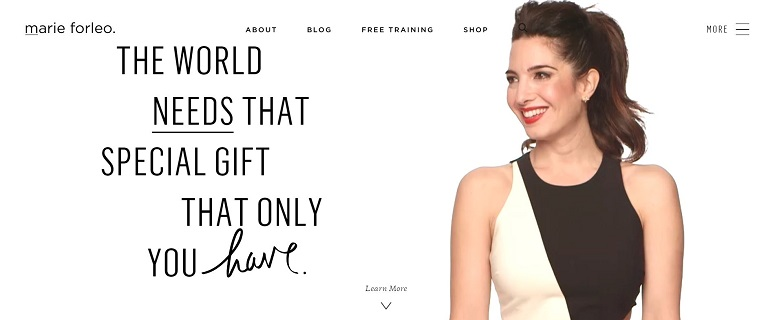
So, you have to draw them in immediately. Like this homepage from Marie Forleo:

Copywriting examples Marie Forleo Website

Marie provides online training and resources, and her purpose is to inspire you to build your dreams.

Why It’s Effective

You need to visit the site to get the full effect, but here’s why it’s a great piece of copywriting:

Firstly, the focus is on you. Her opening statement is warm, encouraging, and empathetic. Like a big hug from your Mom.

Scroll down and the empathy continues with phrases like, “You don’t have to get it perfect, you just have to get it going.”

There’s no hard sell, no credit card required. She draws you in with free resources and big, bold call-to-action (CTA) buttons.

Then she convinces you with testimonials from happy customers and impressive endorsements from Oprah Winfrey and Richard Branson.

Copywriting Techniques You Can Steal

  • Empathy: Picture your audience. What are their pain points? Use ‘you’ rather than ‘me’ or ‘I’. Tell them a story that creates a bond to make them feel understood and valued.
  • Social proof and authority: This is a trust building technique. Use customer testimonials, and showcase relevant experience, skills, or qualifications.
  • Call to Action: Move visitors through the site with helpful CTA buttons like Maria’s: ‘Download’, ‘Watch Now’, and ‘Get Inspired’.

Copywriting Example #2: The Shock-Effect Billboard

Billboards are usually targeted at motorists. They need to grab attention and leave a lasting impression, as the cars whizz by.

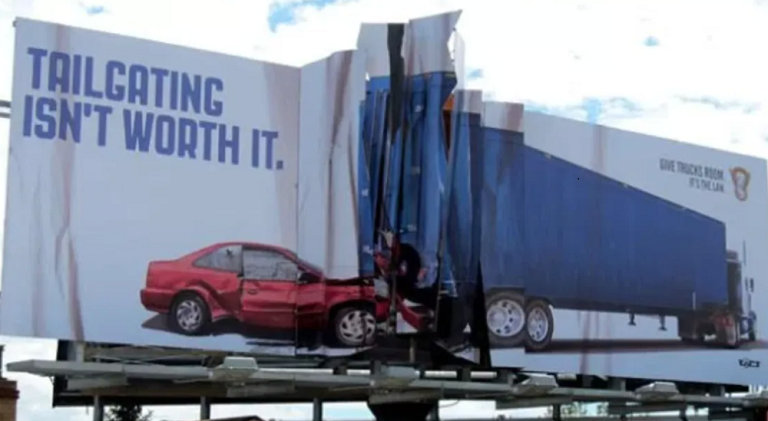
This is a perfect example:

Copywriting examples billboard copy

Why It’s Effective

This billboard sells a serious message with great impact. Literally.

The message is instant. It slams into our brain using 4 words and 1 image. And it’s even more powerful because they crumpled the actual billboard at the point of impact.

Great copy isn’t just about words. The context, layout, and relationship of the words and images are just as important.

Copywriting Techniques You Can Steal

  • Triggering shock: Negative emotions like shock and fear work as well as positive ones. What emotions can you associate with the product you’re writing about? What power words might trigger those emotions?
  • Tone: Always use an appropriate tone of voice for the audience and message. This billboard is perfect — serious, but simple.
  • Brevity. If you can say it in 4 words, don’t use more. One of the best ways to achieve brevity is to cut out unnecessary adjectives and superlatives like ‘very’.

Copywriting Example #3: The Funny Popup

Popups. We all hate them, but everyone uses them.

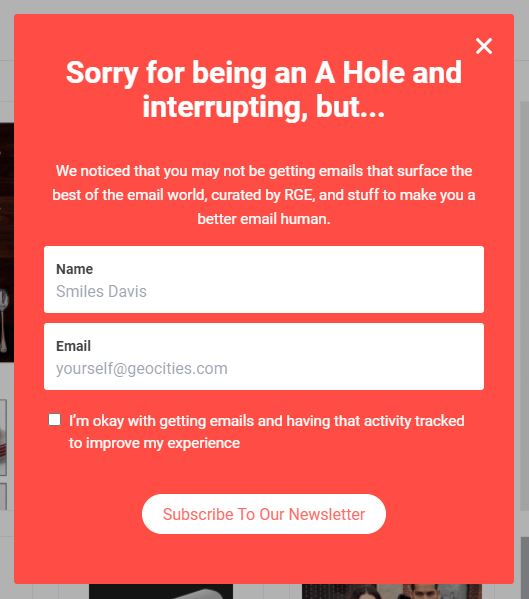
But sometimes a perky little popup begs forgiveness. Like this one from Really Good Emails:

Copywriting examples popup

Why It’s Effective

It’s apologetic. It knows it’s annoying, so it uses cheeky charm to win you over.

This whimsy continues in the ‘name’ field where it uses a silly name to show where you need to enter your details.

Just think: if Really Good Emails can make its popup worth reading, the rest of the site must be great.

Copywriting Techniques You Can Steal

  • Good headline: Make it funny, cheeky, controversial — anything but boring.
  • Humor: If you can raise a smile, you’re halfway to a conversion. Here’s how you do it well.
  • Honesty: Popups are like flies. You just want to swat them out of your way, so be honest about it and you may win a few hearts (and addresses for your email list).

Copywriting Example #4: The Engaging Email

How many emails do you delete without opening? And what makes you open the others?

Usually it’s because:

  1. You trust the sender and want to hear what they have to say, or
  2. You can’t resist the subject line.

No one knows this better than Laura Belgray from Talking Shrimp, the queen of email marketing whose conversion rates are through the roof.

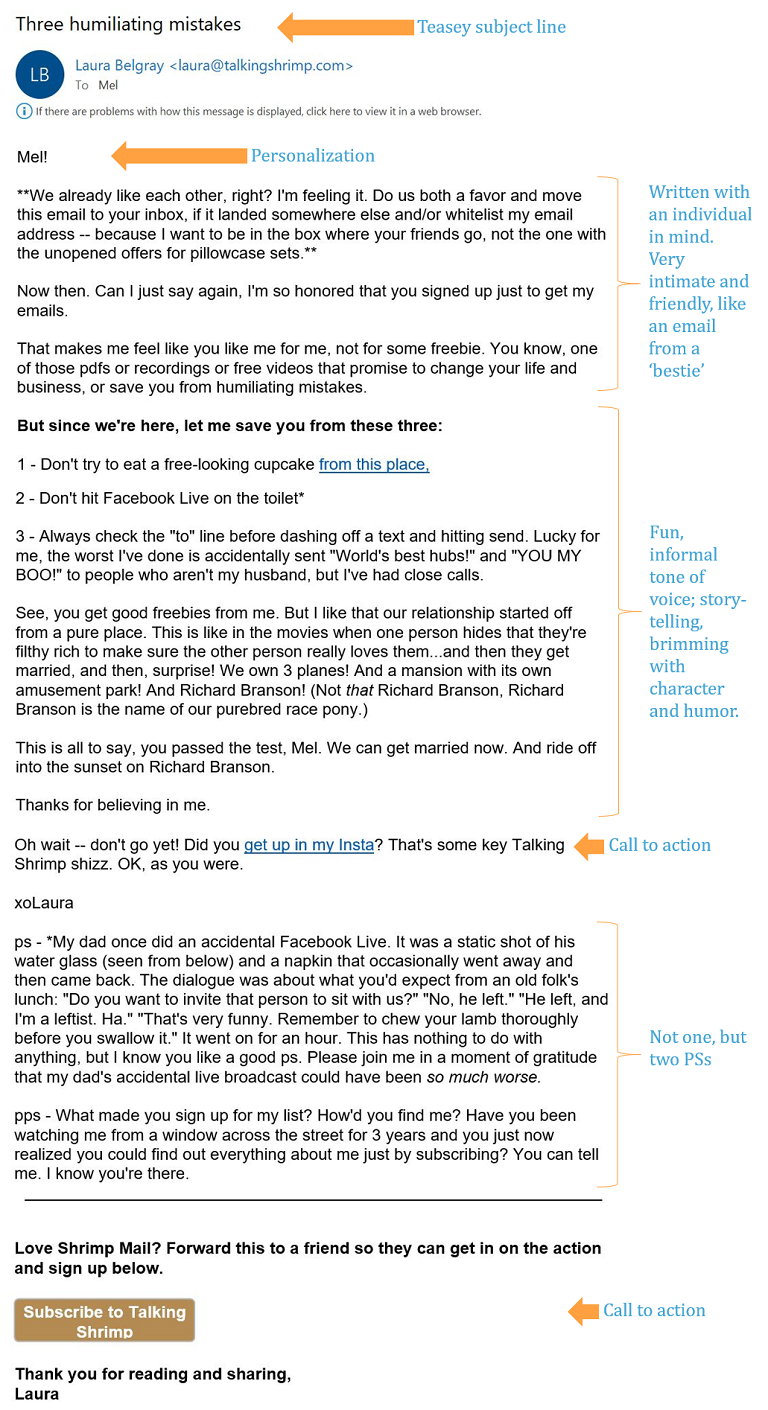
Here’s a typical email from Laura, the second in her welcome sequence to new subscribers:

Copywriting examples email

Why It’s Effective

Laura has one of the strongest voices in the world of copywriting. She writes like your best friend would. She’s funny, irreverent, ballsy, and honest.

Her language is full intimacy and humor, but above all, she’s a skilled salesperson. She’s like a heat-seeking missile, on a mission to get you to click through (while charming the socks off you).

Email Copywriting Techniques You Can Steal

  • Subject line: If it sucks, it doesn’t get opened. Make it intriguing, arouse their curiosity, and avoid anything too salesy (unless it’s irresistible, like ‘free’ or ‘only 2 hours remaining’).
  • Know your audience: Write as though you know them — that the email is intended for their eyes only. Visualize the reader, know their needs, and make it conversational.
  • Tight Copy: Keep your writing tight and deliberate. Use active verbs, cut the flab, and make every word count.
  • Call to Action: Always include a call to action (CTA) and at least one PS — did you know people often skim down to the PS first?

Copywriting Example #5: The Irresistible Landing Page

When you click a CTA link, it often takes you to a landing page, which has a very specific task — to convert potential customers into buyers or subscribers.

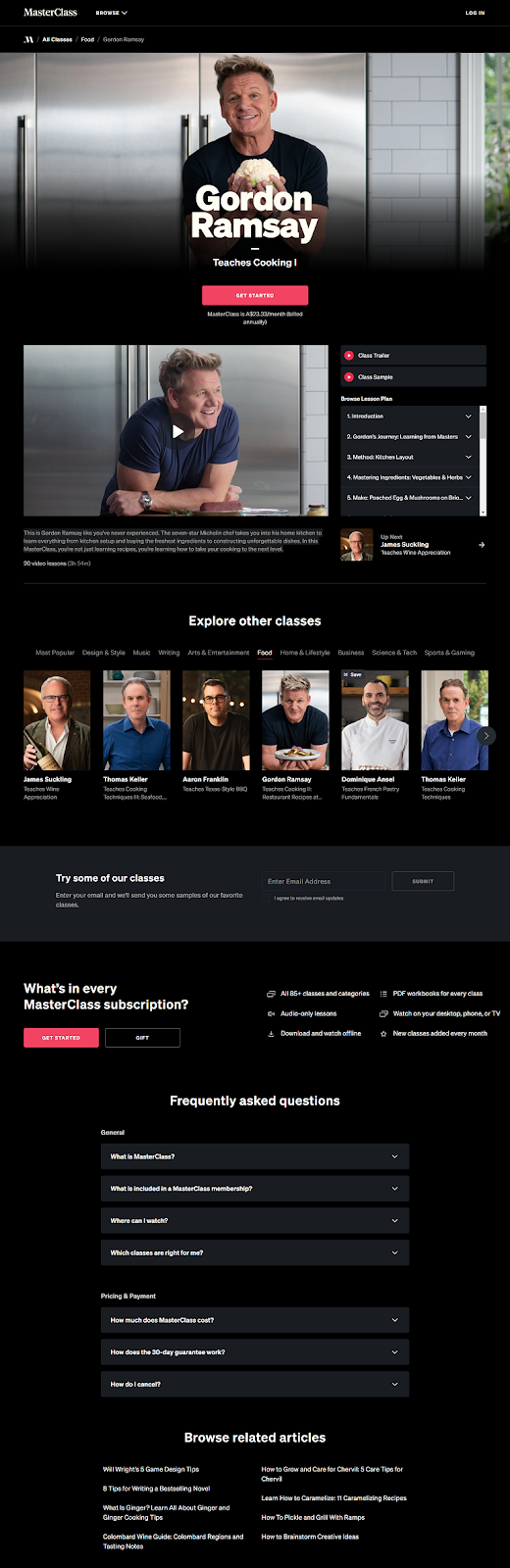
Here’s a landing page from MasterClass, a website that streams video lessons from the world’s leading experts in their niche, like Gordon Ramsey.

Copywriting examples landing page

Why It’s Effective

MasterClass is like an online university where the professors are celebrities. Imagine Samuel L. Jackson teaching you about acting, or Anna Wintour tutoring you on leadership!

Apart from being beautifully designed, with high-quality images and videos, this landing page pulls out every sales and conversion trick in the book, such as:

  • A call to action button above the fold.
  • Minimal navigation distractions. It wants you to focus on Gordon Ramsay’s class.
  • In the video, Gordon promises, “Everything I’ve learned is laid bare in this MasterClass”. It’s a compelling value proposition.
  • Teasers, trailers, and samples so you can try-before-you-buy.
  • A sign-up form to join their email list.
  • A pricing breakdown of what you get for your money to reinforce the value proposition.
  • FAQs designed to erase the last trace of doubt.

Copywriting Techniques You Can Steal

  • Social proof: You may not have Gordon Ramsey as social proof, but use what you can, like customer testimonials, or your client’s awards and achievements.
  • Call to action: There are 3 subscription buttons on this page, plus one for a gift subscription, which is genius. Would this work for the online business you’re writing about?
  • Creating desire: The body copy reads, “You’re not just learning recipes, you’re learning how to take your cooking to the next level.” Irresistible benefits for a home-cook enthusiast. What would your audience find irresistible? Show them how the product can change their life for the better. Win their hearts and minds with a story. And don’t think this only applies to consumer products. Buyers of high-tech SaaS products also respond to emotional triggers in a landing page, case study, or any sales copy.

Copywriting Example #6: The Trustworthy FAQ Page

If you thought FAQs were created to answer questions, think again. Here are some of the reasons organizations include an FAQ page on their site:

  • It showcases your expertise, trustworthiness, and authority.
  • Draws people to your site by responding to their search criteria, which gives you lots of SEO opportunities.
  • It helps to overcome objections and move people towards a purchasing decision.
  • It’s a great way to tell people what you want them to know about your products without making it sound like a sales pitch.

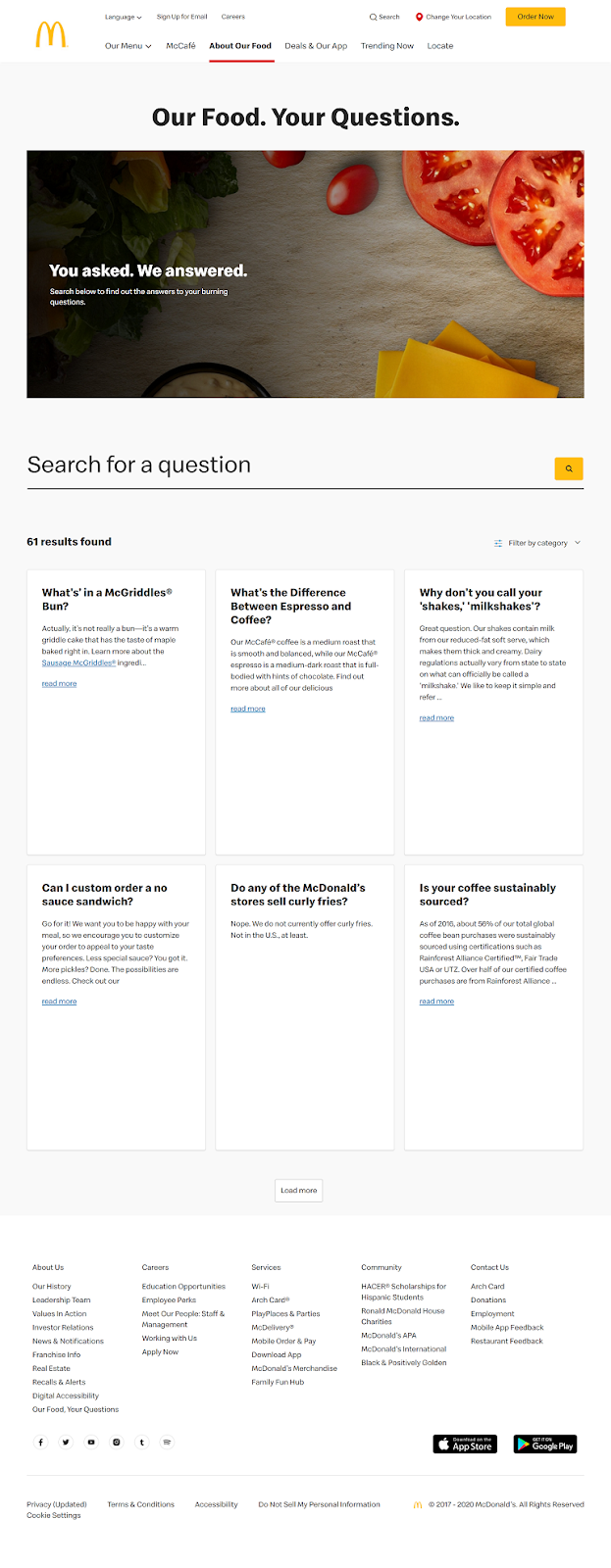
And that takes some copywriting know-how. Just ask McDonalds:

Copywriting examples FAQs

Why It’s Effective

McDonalds is a content marketing juggernaut, as this FAQ page demonstrates.

Firstly, the questions are highly optimized to respond to keywords and phrases used in Google such as ‘Do any of the McDonald’s stores sell curly fries?’ As it happens, they don’t, but why miss the opportunity to capture the attention of people who ask.

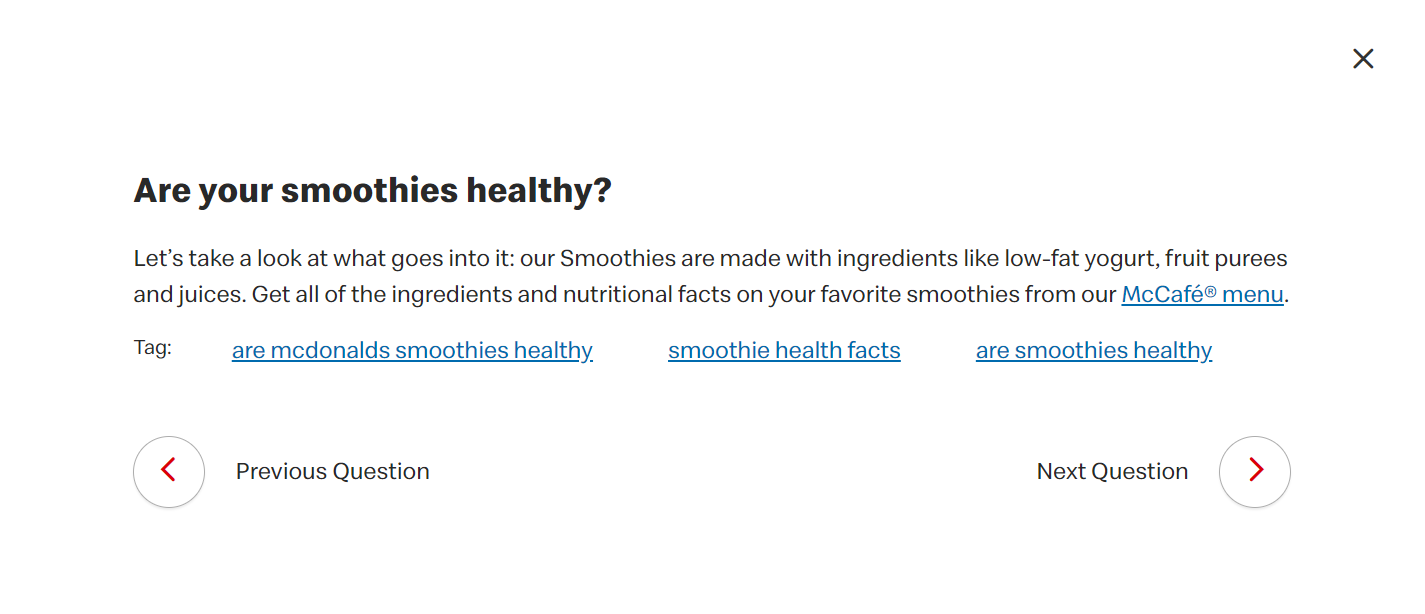
McDonalds is cheap and convenient, but its food isn’t famous for its health benefits. Rather than avoid the elephant in the room, the FAQ page asks, and then side-steps the stickier questions, like this:

Copywriting examples McDonalds FAQs

Most of the links in the answers direct people to other pages and content in the site, which helps retain visitors and boost their SEO. And with a highly visible search function at the top of the page, it’s like a directory for the whole site.

Copywriting Techniques You Can Steal

  • Building trust: With every answer McDonalds is saying: You can trust us to listen to you, and deliver what you want. It uses phrases like “it’s something we know our customers want” and “It’s time for All Day Breakfast. Why? Because of you!” Think about the ways you can respond to customers’ concerns and feedback to build trust in the FAQs you’re writing.
  • Conversational tone: Use a friendly, conversational tone, but make sure it suits the audience you’re writing for. McDonalds uses phrases like “Great question,” and “Makes you wish you had one right now, doesn’t it?

Copywriting Example #7: The Persuasive Social Media Ads

We all know that classic line from Ernest Hemingway:

For sale: Baby shoes. Never worn.

It’s possibly the greatest ad copy of all time because it conjures up an entire story in just 6 words, each one dripping with emotion.

There’s no Tweet, LinkedIn, or Facebook post that quite matches Hemmingway’s flair, but the principles of writing social media ads are the same. You need to be brief and relevant, while packing a persuasive punch.

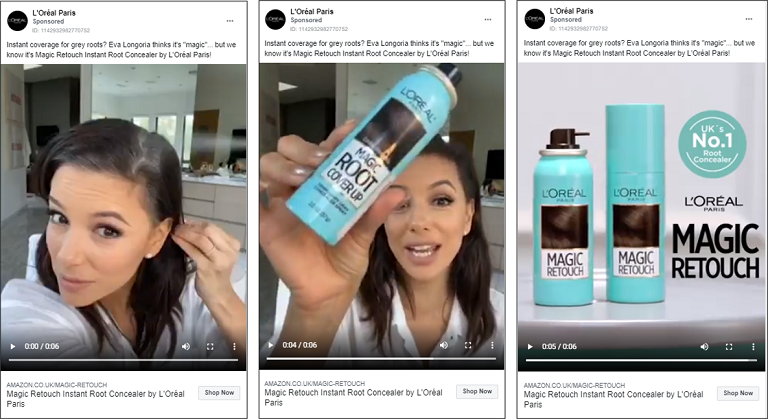
L’Oréal Paris comes close with this ad:

Copywriting examples social media ad

The ad — a 6-second video featuring actress, Eva Longoria — is targeted at women who want to get rid of their grey roots instantly.

Why It’s Effective

The text above the video gets right to the point: “Instant coverage for gray roots?” It conjures up the problem and the target market in 5 words.

In the video, Eva Longoria demonstrates the product, squeals in delight, and says “I don’t know what it’s made of but it’s magic.”

Who cares what it’s made of! If it works for Eva Longoria, it’s going to work for every other woman who wants to look like Eva Longoria.

And that’s why the ad is so effective.

Copywriting Techniques You Can Steal

  • Relevancy: The advantage of social media is that you can select your target audience by gender, age, interests, or down to a pin-prick on a map. Make sure your message is just as targeted and relevant to their needs, delivering a message they will understand, instantly.
  • Benefits over features: Forget the features, focus on the benefits. How is your product going to solve their problem or improve their life?
  • Product demonstration: If you can demonstrate how your product or service works, do it. It’s one of the most effective sales techniques.

Copywriting Example #8: The ‘Buy Me Now’ Product Descriptions

How many times have you clicked through to product details on an ecommerce site, only to find a lackluster description that leaves you cold?

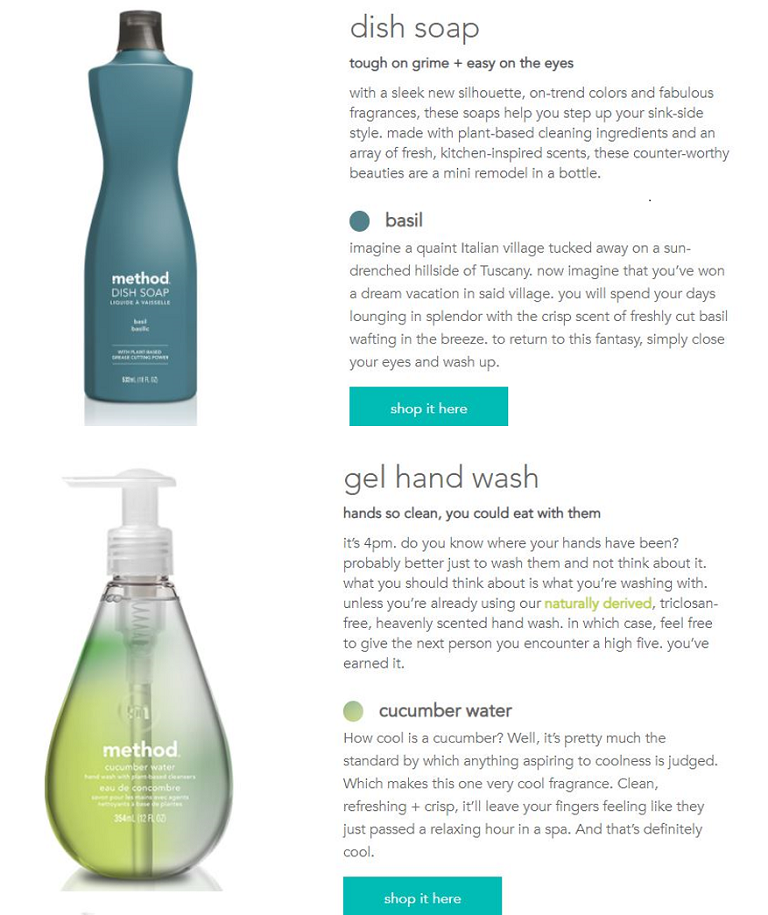
But if you’ve ever visited Method’s website and read the dreamy descriptions of their cleaning products, you’ll know how hard it is to resist hitting the ‘buy now’ button.

Copywriting examples product descriptions

Why It’s Effective

Let’s face it, dish soap and gel hand wash are not the sexiest products. But Method uses dynamic language and metaphors to conjure up images of fashionistas (“on-trend colors”)… international travel (“a sun-drenched hillside in Tuscany”)… and enviable lifestyles (“a relaxing hour in a spa”).

Why would you want to buy any other brand of soap?

Copywriting Techniques You Can Steal

  • Benefits over features: Method tells you their dish soap will whisk you away to Tuscany. What are the benefits of the product for your audience?
  • Sensory Language: Every one of Method’s descriptions is a mini experience, sparking the reader’s imagination, like “the crisp scent of freshly cut basil wafting in the breeze”. What story can you weave about your products that will capture a mood or an emotion? What luscious language can you use to make them feel, taste, smell, or experience the benefits of the product?
  • Humor: Method’s products descriptions are whimsical and funny. They brighten up a drab day and make you happy to be buying mundane soap. Can you add the same sense of fantasy and fun to your ecommerce product descriptions?

Copywriting Example #9: The Awe-Inspiring Topical Ad

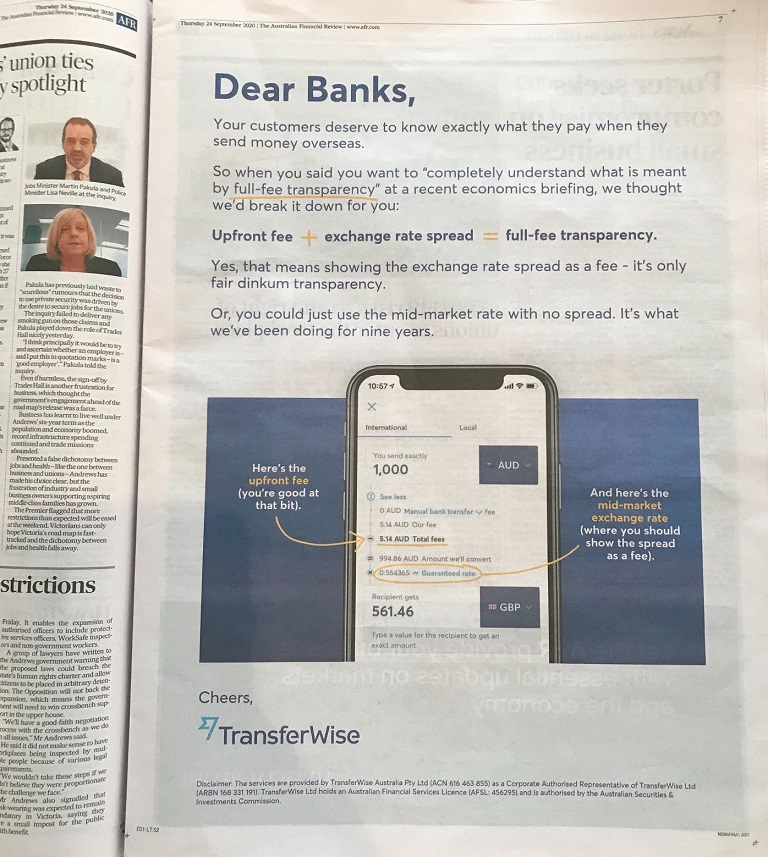
A topical ad is when the advertiser takes something that’s in the news and spins it to their advantage. Like this advert by international money transfer service, TransferWise:

Copywriting examples topical ad

The ad appeared in the Australian Financial Review newspaper following a government enquiry into the banking sector. The Deputy Chair of the enquiry criticized the four major Australian retail banks for their hidden currency exchange fees and said:

“It’s very, very simple. TransferWise does it… They just tell you how much you pay to transfer money. This isn’t complicated… You just need to come clean with people.”

Why It’s Effective

TransferWise was handed a silver bullet on a golden platter, and they didn’t let it go to waste:

  • They acted immediately, while the topic was newsworthy, and the public was interested.
  • They capitalized on the issue while staying true to their own messaging: Be radically transparent. Charge as little as possible. As a brand awareness ad, it couldn’t have been stronger.
  • They ran the full-page ad in Australia’s most elite newspaper aimed at a business audience. But they used the language of their customers — individuals who live and work around the world — to emphasize the snootiness and arrogance of the banks.
  • They brazenly took on their major competitors (‘Dear Banks’), pitching themselves as the little guy in a David and Goliath saga, and won.

Copywriting Techniques You Can Steal

  • Humor: With their tongue firmly in their cheek, TransferWise used satirical humor to put the knife into their competitors and give it a good twist. Warning: Be very cautious when using this form of humor as it can backfire.
  • Controversy: If you’re going to do something controversial like naming and shaming your competitors, you need to take a stand and believe in your own convictions. This is a perfect, awe-inspiring example.
  • Tone of Voice: The ad remained true to TransferWise’s down-to-earth tone of voice, even throwing in a bit of Aussie slang (‘fair dinkum’) in an otherwise high-brow setting. Think about the audience you’re writing for and the tone of voice that would best resonate with them.

Copywriting Example #10: The Timeless Tagline

The job of a tagline is to sum up a key value proposition in a few succinct words. A great tagline is memorable (Nike: Just do it) and sets a brand apart from its competitors (Apple: Think different).

It can be heart-warming (Disneyland: The Happiest Place on Earth), or self-effacing (Volkswagen: Think Small).

A tagline is usually the last thing people see or hear at the end of any marketing copy, and its job is to keep the brand top of mind for future buying decisions.

Here’s arguably the all-time best copywriting example of a tagline:

Copywriting examples tagline

Why It’s Effective

Ad copywriter, Frances Gerety, came up with the famous tagline for De Beers in the 1940s, when only the rich and famous bought diamonds.

It’s effective because it directly connected diamonds with eternal love (instead of wealth) and — virtually overnight — diamond engagement rings became the symbol of that sentiment. By 1951, 80% of brides in the United States wore a diamond ring, a tradition which continues to this day.

So great was the tagline, it has been used in every De Beers ads for engagement rings since 1948. In 1956, it inspired the title of a James Bond novel, and in 1971 the Shirley Bassey song of the same name.

In 1999, it was named ‘The Slogan of the Century’ by Advertising Age.

Copywriting Techniques You Can Steal

  • Value proposition: De Beers value proposition is: if you buy this ring, your love will never end. What is the core value proposition of the brand you are writing about? Will it make people smarter, faster, happier, richer?
  • Brevity: The best taglines are short sentences that only a few words long, yet still pack a punch. Write the core value proposition as succinctly and clearly as possible, then start trimming back the words and adding pizzazz.

Which of These Great Copywriting Examples is Your Favorite?

Becoming a great copywriter isn’t about being a creative genius.

It’s about borrowing the very best ideas from the creative geniuses who came before you, studying their techniques, and applying them to your own writing — whether that be for SEO, a case study, or blogging.

That’s why you need to bookmark these copywriting examples and continue to build your own swipe file as you build your skills.

But in the meantime, we’d love to hear from you.

Which of these copywriting examples is your favorite? Is there a great example we missed?

Let us know in a comment below.

The post 10 Great Copywriting Examples (+ Takeaways for Copywriters) appeared first on Smart Blogger.


from Smart Blogger https://ift.tt/3e5TFyC

Thursday, 15 October 2020

350+ Onomatopoeia Examples for Writers (& Kids at Heart)

Looking for onomatopoeia examples so you can give your writing some extra oomph? You’ve come to the right place.

Flip to any random Batman comic page. Instantly, you’re an earwitness to a fantastical wham-bam-ka-powerful superhero fight scene, made possible by onomatopoeia!

It’s a proven literary gem that draws readers in like buzzing bees to honey.

And in this post, you’ll learn everything you need to know about onomatopoeia, including:

  • Examples of onomatopoeia in classical and modern day writing (not just comics);
  • Definitions and differences between onomatopoeia and other sound-based literary devices;
  • Benefits of adding onomatopoeia’s sensory element to your words;
  • 350+ sound words that’ll immediately power-up your own writing.

Let’s get crackin’!

Onomatopoeia Examples for Writers (& Kids at Heart)

What Onomatopoeia Is (and Isn’t)

At first glance, the word ‘onomatopoeia’ is slightly intimidating:

  • How do you pronounce onomatopoeia?
  • What is onomatopoeia and how is it different from other literary devices?

So, a little groundwork:

What’s the Definition of Onomatopoeia?

Onomatopoeia is the creation of and rhetorical use of words that phonetically imitate or suggest the actual sound that they describe.

Pronounced [aa – nuh – maa – tuh – pee – uh], onomatopoeia’s etymology traces back to two words in the Greek language, which suggest its meaning:

  • ‘onoma’, meaning ‘name’, and
  • ‘poiein’, meaning ‘to make’ (poem and poet have the same origin).

As our language evolves, sometimes we create words to specifically imitate the sound they represent. It’s no surprise that onomatopoeic words are comparable across different languages, conveying similar sounds. For instance, the Spanish word for a turkey sound is ‘gluglú gluglú’, which sounds very similar to the English language interpretation of ‘gobble gobble’.

Most words that demonstrate onomatopoeia can be categorized into five groups of sounds:

  • Animal sounds (bow-wow, oink, cock-a-doodle-doo)
  • Collision or explosive sounds (boom, crash, clang)
  • Musical sounds (toot, clang, pluck)
  • Movement of water, air, or objects (puff, vroom, rustle)
  • Human sounds (sneeze, belch, cough)

There are also many animals, insects, birds, and objects onomatopoeically named for the sound they make. Here’s a short list:

  • Bobwhite
  • Chickadee
  • Cuckoo
  • Owl
  • Killdeer
  • Whippoorwill
  • Bumblebee
  • Katydid
  • Cricket
  • Zyzzyx (an insect!)
  • Flip-flops

As young children, we were first introduced to animal sounds through onomatopoeia. Words to describe animal sounds, like a dog’s bark, a cat’s meow, or cow’s moo are phonetically similar to the actual sound that the animal makes.

Animal sounds are fun sound words, but onomatopoeia rules get a little tricky when we refer to sounds made by humans.

What’s the Difference Between Onomatopoeia and Interjections?

Human words of expression like ‘wow’ and ‘oops’ are often incorrectly labeled as onomatopoeia words. The distinction here is that these one- or two-word interjections are the actual words uttered instead of an onomatopoeic word that suggests the sound of the utterance.

To illustrate, let’s compare some human interjections (typically emotionally-packed) with with their phonetically descriptive onomatopoeia counterparts:

Interjections Onomatopoeic words
ugh grunt
he he he snicker
eeek scream
hey shout

What’s the Difference Between Onomatopoeia and Other Sound-Based Literary Devices?

Alliteration, assonance, and consonance are stylistic literary devices that repeat words with similar beginning sounds, vowel sounds or consonant sounds to set a tone or create a mood.

Like your 87-year-old grandma at the Thanksgiving table, onomatopoeia is more direct. Used correctly, onomatopoeia is the most straightforward and efficient literary device to convey sounds that you want readers to “hear”.

Benefits of Using Onomatopoeia

Onomatopoeia engages your readers’ senses by drawing attention to sounds through the use of phonetically similar words. When you leverage literary devices and inject sensory words like onomatopoeia in your work, your words become more powerful, memorable and influential.

As a type of figurative language, onomatopoeia uses imitation to name things or describe sounds, producing a dramatic and more engaging effect on your readers.

Think of onomatopoeia as a ‘twofer’ sound descriptor. Onomatopoeia words simultaneously describe and imitate sounds with the help of their verbal pronunciation.

For example, when pronounced out loud, words like ‘beep’, ‘clack’, and ‘hiccup’ instantly suggest specific sounds – sounds you’re familiar with and related to specific actions.

Let’s observe the sound effects of onomatopoeia at work by comparing these two sentences:

  • He silenced his phone alarm as he jumped out of bed, eager to start his first day on the job.
  • He jabbed at his squawking phone as he whooshed out of bed, eager to start his first day on the job.

Onomatopoeia enables readers to better connect with the scene: to “hear” the obnoxious alarm and the young man’s finger rapidly tapping at his phone, and sense a quick flip of blankets as he hops out of bed. As a writer, onomatopoeia gives you the tools to compose an elaborate symphony of sounds that’ll stimulate your reader’s imagination.

Onomatopoeia earns bonus points too because sensory words like these make it easier for readers to remember what they’ve read. Memories start with our senses, so artfully select onomatopoeic sound words (and other sensory words) that’ll captivate your readers and make your message unforgettable.

Let’s take a look at onomatopoeia in action with some classic examples.

Examples of Onomatopoeia

Time-honored works of literary greats and poets swarm our senses with onomatopoeia.

Onomatopoeia in Literature & Poetry

In Shakespeare’s The Tempest, Caliban’s observations about the sounds on his island includes two onomatopoeia words:

“Be not afeard; the isle is full of noises
Sounds, and sweet airs, that give delight and hurt not.
Sometimes a thousand twangling instruments
Will hum about mine ears; and sometimes voices…”

In his famous poem, The Bells, American poet Edgar Allan Poe used sound words to represent diminishing tones of bells to signify the four stages of life (childhood, youth, middle-age, and death).

Onomatopoeia is prevalent throughout, but as the poem progresses the final lines of each stanza contain symbolic onomatopoeic sound words harmonious with the life stages described.

The light sound of bells in this excerpt from the first stanza signifies a carefree childhood:

“…From the jingling and the tinkling of the bells.”

The second stanza continues with the joyous wedding bells of youth:

“…To the rhyming and chiming of the bells!”

Moving on, the third stanza suggests a more daunting awareness of the end of life:

“…In the clamor and clangor of the bells!”

Finally, death is represented in the fourth stanza by the sounds of somber funeral bells:

“…To the moaning and the groaning of the bells.”

Coincidentally, Mr. Poe coined the onomatopoeic word tintinnabulation in the first stanza of this poem, which suggests a familiar tinkling of bells.

But, if there’s an award for the longest onomatopoeia word, James Joyce gets the prize!

Irish novelist, James Joyce introduced ten 100+ character onomatopoeic words to describe thunder in his last book, Finnegan’s Wake.  His most famous word is a hybrid of thunder-related words from many languages and represents the thunderous fall of Adam and Eve. (In this instance, the word ‘clap’ just wouldn’t have the same effect!)

“The fall (bababadalgharaghtakamminarronnkonnbronntonner-
ronntuonnthunntrovarrhounawnskawntoohoohoordenenthur-
nuk
!) of a once wallstrait oldparr is retaled early in bed and later on
life down through all Christian minstrelsy.”

This JoyceGeek YouTube video explores origins and clarifies the pronunciation of this thunder word:

Moving into more relatable works, Robert Frost’s nostalgic admiration of the Birches uses onomatopoeia to fill our senses with the sounds of the trees as air moves through them:

“…After a rain. They click upon themselves
As the breeze rises, and turn many-colored
As the stir cracks and crazes their enamel…”

In children’s poetry, Jack Prelutsky’s onomatopoeically entitled poem, Boing! Boing! Squeak! captivates young listeners and parents alike with his tale of his clamorous little visitor:

Boing! Boing! Squeak!
A bouncing mouse is in my house,
it’s been here for a week…

…that mouse continues bouncing
every minute of the day,
it bounces bounces bounces
but it doesn’t bounce away…”

Another adorable Prelutsky children’s poem uses sound words to activate the young listener’s sense of taste. His onomatopoeic name for delicious little morsels that beg to be eaten is Yubbazubbies:

Yubbazubbies, you are yummy,
you are succulent and sweet,
you are splendidly delicious,
quite delectable to eat,
how I smack my lips with relish
when you bump against my knees,
then nuzzle up beside me,
chirping, ‘Eat us if you please!’…”

As we shift into other genres, we’ll discover that the use of onomatopoeia is a reliable and prevalent marketing tool.

Onomatopoeia in Pop Culture

Onomatopoeia is used in all aspects of pop culture to influence and attract the senses of consumers.

Snappy Brands and Slogans

Due to its sensory appeal, onomatopoeia is often used in branding and advertising. Faced with the challenge of conveying taste to consumers, food marketing gurus carefully choose sound words to appeal to their consumers’ taste buds. Non-food marketing projects use onomatopoeia to appeal to consumers’ needs or desires (like to drive fast)!

This vintage Rice Krispies commercial is a classic example of their “Snap! Crackle! Pop!” slogan and onomatopoeically-named mascots:

You’re likely familiar with these onomatopoeic brands and slogans:

  • Google
  • Tweeting on Twitter
  • Krispy Kreme
  • Ziploc
  • Cap’n Crunch
  • Schweppes
  • Pop Tarts
  • Pop Rocks
  • Slurpee
  • Tic Tacs
  • Wham-O Toys
  • Kaboom Energy Drink
  • Zoom Video Communications
  • Alka-Seltzer’s “Plop, plop, fizz, fizz (oh what a relief it is)”
  • Mazda’s “Zoom, Zoom

Of course, onomatopoeia is extremely influential in other popular culture media like music and other forms of entertainment.

Pop-ular Music, Film and TV Shows (and Comics)

Remember the lyrics of Ylvis’ “The Fox (What Does the Fox Say?)” playing on repeat in your head in 2013? A big thanks goes in part to the onomatopoeia animal sounds woven into the lyrics. (Apologies for the earworm!)

Back in the 70’s, Todd Rundgren refreshed listeners on the concept of onomatopoeia with his song of the same name. The sound words in the lyrics help describe the “feeling in (his) heart”:

“…It’s sort of lub, dub, lub, dub
A sound in my head that I can’t describe
It’s sort of zoom, zip, hiccup, drip
Ding, dong, crunch, crack, bark, meow, whinnie, quack…

Contemporary artist Charli XCX sings about a different sound to her heart in the her 2014 hit, “Boom Clap” (the beat goes on and on…):

Onomatopoeia gave moviegoers clues to the sounds made by the automobile in the movie based on Ian Fleming’s 1960’s story entitled “Chitty-Chitty Bang-Bang”.

The classic ‘60’s Batman TV series flashed onomatopoeia words like “Wham!”, “Pow!” and “Clunk!” during fight scenes, which paralleled the experience of reading a printed comic book.

Before we move on to onomatopoeia examples in content marketing, here’s a special onomatopoeia video for all the Batman die-hards:

Booming Communications & Content Marketing

We’ve seen how the use of onomatopoeia engages fans and consumers by engaging their senses. Content marketers connect with readers’ senses by sprinkling sound words into email subject lines to keep them interested.

Here are some clever examples that created a buzz just this month:

onomatopoeia examples email subject lines

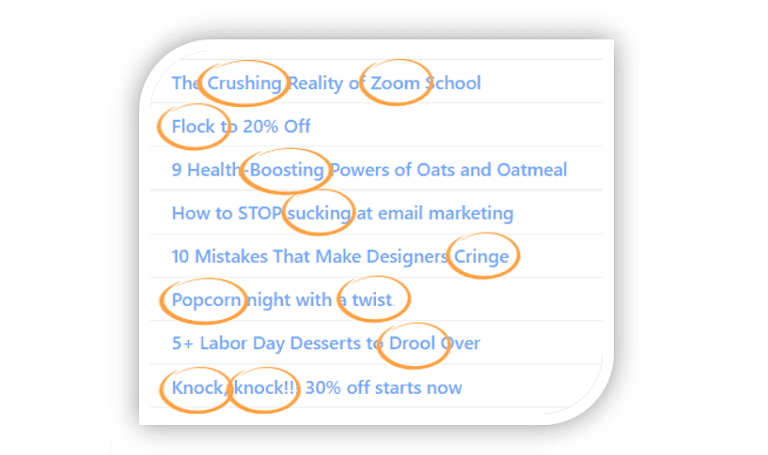
Headers and subheads are easy onomatopoeia targets as well. The following examples were found in Smart Blogger posts:

As a writer of consumable content, it’s your mission to make it easy for your readers to cling onto your words.

And strategically using onomatopoeia words is a great way to make it happen.

The Definitive List of Onomatopoeic Words: 366 Examples of Onomatopoeia That’ll Give Your Writing Some Extra Oomph

We’ve gone over quite a few examples of onomatopoeia in this post, but we’ve merely scratched the surface.

Below, you’ll find the web’s largest list of onomatopoeia examples. Bookmark and reference them, as needed.

Animal Sounds

Arf

Baa

Bark

Bleat

Bow-wow

Cackle

Caw

Cheep

Chirp

Chirrup

Chitter

Chitter-chatter/ Chit-chat

Chitty

Cluck

Cock-a-doodle-doo

Coo

Croak

Crow

Cuckoo

Flutter

Gaggle

Gallop

Gibber

Growl

Grumble

Hee-haw

Hiss

Honk

Hoo

Hoot

Howl

Jabber

Lap

Meow

Mew

Moo

Neigh

Nicker

Oink

Peep

Pip

Purr

Quack

Ribbit

Roar

Scrabble

Screech

Snarl

Squawk

Squeak

Squeal

Tweet

Twitter

Warble

Whinny

Woof

Yap

Yelp

Yip

Collision / Explosion Sounds

Bam

Bang

Bash

Blast

Boink

Bonk

Boom

Boop

Bop

Bump

Burst

Clack

Clamor

Clangor

Clank

Clash

Clatter

Click

Clickety-clack

Clink

Crash

Crush

Explode

Kaboom

Kapow

Klunk

Knock

Pop

Pow

Punch

Shatter

Slam

Smack

Snap

Sock

Spank

Spark

Thud

Thump

Thwack

Whale

Wham

Whomp

Whump

Human Sounds

Babble

Barf

Bawl

Belch

Bellow

Blab / Blabber

Blub / Blubber

Blurt

Boohoo

Burp

Bwahaha

Chant

Chat

Chatter

Chomp

Chortle

Clap

Cough

Cringe

Croup

Crunch

Cry

Drone

Echo

Fart

Foofaraw

Garble

Gargle

Gasp

Giggle

Gnash

Gnaw

Gobble

Groan

Grump

Grunt

Guffaw

Gulp

Hack

Hiccup

Holler

Hoopla

Huff

Hum

Humph

Hush

Lisp

Mewl

Moan

Mumble

Munch

Murmur

Mutter

Nibble

Pad

Pat

Poop

Puke

Retch

Scratch

Scream

Shout

Shriek

Shush

Slap

Slobber

Smooch

Sneak

Sneer

Sneeze

Snicker

Sniff

Sniffle

Snore

Snort

Sob

Spit

Sputter

Stomp

Tap

Tattle

Tiptoe

Utter

Wail

Wallop

Whack

Wheeze

Whimper

Whine

Whisper

Whistle

Whoop

Wimper

Yack

Yadda Yadda

Yank

Yell

Zonk

Musical Sounds

Beep

Blare

Bleep

Bloop

Bong

Buzz

Chime

Clang

Ding

Ding-a-ling

Ding-dong

Dong

Drum

Gong

Jingle

Ka-ching

Knell

Oompah

Pick

Ping

Plink

Pluck

Plunk

Pong

Rat-a-tat

Ring

Throb

Ting

Tinkle

Tintinnabulation

Toot

Trill

Twang

Zing

Sounds of Movement

Blaze

Blimp

Bling

Blip

Blow

Boing

Bounce

Brouhaha

Bumble

Burble

Cha-cha

Cha-ching

Choo-choo

Chug

Clonk

Clunk

Crack

Crackle

Creak

Crinkle

Dab

Dribble

Drip

Drizzle

Fizz

Fizzle

Flap

Flash

Flick

Fling

Flip

Flip Flop

Flog

Flop

Flush

Gloop

Glug

Grind

Gurgle

Gush

Jab

Jangle

Jar

Kerplink

Kerplunk

Mash

Nuzzle

Oomph

Ooze

Paddle

Patter

Pitter

Plash

Plop

Puff

Pump

Quiver

Racket

Rap

Rattle

Rev

Rip

Rumble

Rustle

Scour

Scramble

Scrape

Scrub

Scrunch

Scuffle

Shiver

Shred

Shudder

Shuffle

Sizzle

Skip

Slash

Slick

Slither

Slop

Slosh

Slurp

Slush

Snip

Sparkle

Splash

Splat

Splatter

Sploosh

Splosh

Splutter

Sprinkle

Squelch

Squirt

Squish

Strum

Suck

Swarm

Swat

Swell

Swish

Swoop

Swoosh

Tear

Thrash

Tick

Tick Tock

Tock

Trickle

Trudge

Tug

Twinkle

Twist

Vroom

Waft

Whip

Whirl

Whirr

Whiz

Whoosh

Zap

Zigzag

Zip

Zipper

Zoom

Crush It with Onomatopoeia!

Here’s the hard truth:

Lifeless, boring content loses readers.

Boom! They’re gone in an instant.

The use of onomatopoeia and other literary devices in your writing create the captivating sensory links that your readers cling to. Of course, practice improves the effect!

And with this mega-list of onomatopoeia sound words in hand, you’re ready to bang out some sound-packed passages.

You’re gonna crush this!

The post 350+ Onomatopoeia Examples for Writers (& Kids at Heart) appeared first on Smart Blogger.


from Smart Blogger https://ift.tt/2FvyYiO