Saturday, 27 December 2025

Scribe Raises $75M Series C, Hits $1.3B Unicorn Valuation with AI Tools

Unicorn Ascent: Scribe’s Bold Bet on Streamlining Corporate AI Integration

In the fast-evolving world of enterprise software, where artificial intelligence promises transformative efficiency but often delivers fragmented results, a San Francisco-based startup is positioning itself as the essential navigator. Scribe, founded in 2019, has just secured a staggering $75 million in Series C funding, catapulting its valuation to $1.3 billion and earning it unicorn status. This round, led by StepStone Group with participation from existing investors like Amplify Partners and Redpoint Ventures, underscores a growing investor confidence in tools that bridge the gap between AI hype and practical deployment.

At the heart of Scribe’s appeal is its innovative approach to workflow documentation and optimization. The company’s flagship product, Scribe Capture, allows users to automatically generate step-by-step guides for processes as they perform them, eliminating the tedium of manual documentation. But with this latest funding, Scribe is expanding its ambitions through a new offering called Scribe Optimize, designed to analyze enterprise workflows at scale and pinpoint where AI can deliver the most value. This move comes at a critical time when businesses are grappling with AI integration, often investing heavily without clear returns.

The pitch deck that accompanied this funding round, as detailed in a recent report by Business Insider, reveals Scribe’s strategic vision. It highlights how the startup aims to “fix how companies adopt AI” by providing data-driven insights into operational bottlenecks. Co-founder and CEO Jennifer Smith emphasized in the deck that most enterprises lack visibility into their own processes, leading to misguided AI implementations. Scribe’s tools promise to change that by mapping out workflows across departments, quantifying time spent on repetitive tasks, and recommending automation opportunities.

Mapping the Path to AI Efficiency

Scribe’s journey began with a simple yet powerful idea: automating the creation of process documentation. Early adopters, including major firms in finance and healthcare, praised Capture for its ability to quickly onboard employees and standardize procedures. Now, with Optimize, the company is taking a broader view, leveraging data from user interactions to create comprehensive workflow maps. This isn’t just about documentation; it’s about intelligence that informs where AI agents or bots can be most effectively deployed.

Investor enthusiasm is palpable. According to a TechCrunch article published in November 2025, Scribe’s valuation surge reflects a market desperate for solutions that demonstrate tangible AI ROI. The piece notes that Scribe Optimize helps organizations “identify where AI will be most useful,” addressing a common pain point where companies pour resources into AI without strategic focus. This aligns with broader trends in enterprise AI, where leaders are under pressure to justify investments amid economic uncertainties.

Further insights from a GlobeNewswire press release on November 12, 2025, confirm the funding details and highlight Scribe’s growth trajectory. The company has barely dipped into its previous $25 million Series B, indicating strong financial health and efficient capital use. Smith told reporters that the new funds will fuel product development and team expansion, aiming to serve more Fortune 500 clients who are navigating AI adoption challenges.

Competitive Edges and Market Dynamics

While Scribe isn’t alone in the AI workflow space, its focus on end-to-end optimization sets it apart. Competitors like UiPath and Automation Anywhere offer robotic process automation, but Scribe’s strength lies in its discovery layer—uncovering hidden inefficiencies before automation begins. This proactive stance is crucial, as many AI initiatives fail due to poor process understanding, a point echoed in industry analyses.

A deeper look at adoption trends reveals surging interest in specialized AI tools. For instance, in the veterinary sector, Scribenote’s launch of a free AI scribe in June 2025, as reported by another GlobeNewswire article, shows how domain-specific solutions are gaining traction. Although distinct from Scribe’s enterprise focus, it illustrates the broader appetite for AI that reduces administrative burdens. Similarly, Doximity’s entry into medical scribing with a free tool for physicians, detailed in a July 2025 HLTH.com report, underscores competitive pressures in niche markets.

Scribe’s enterprise-wide approach, however, targets a larger canvas. The National CIO Review, in a November 2025 piece, explains how Optimize mines user actions across systems to identify frequent workflows and their time costs. This data-centric method helps IT leaders make informed decisions, avoiding the pitfalls of assumption-based AI deployments. As one CIO quoted in the article put it, “We’re done with guesswork; we need maps to guide our AI investments.”

Investor Perspectives and Broader AI Trends

The funding round’s all-equity structure, as noted in a Techbuzz article from November 2025, signals strong belief in Scribe’s model without the dilution of debt. Backers like Tiger Global and New York Life Ventures see Scribe as solving the “$100 billion question” of enterprise AI: what to automate first. Smith’s interview in the piece reveals that visibility is the missing piece, with companies racing to adopt AI but lacking foundational insights.

This narrative fits into larger patterns of AI investment. Posts on X from late 2025 highlight massive capital flows into AI infrastructure, with users discussing deals like Nvidia’s $100 billion partnership with OpenAI and Meta’s $600 billion pledge by 2028. Such sentiments reflect a frenzy, but also caution, as one X thread warns of over-investment without proven returns—echoing concerns in a Menlo Ventures perspective from December 2025 about the rapid spread of generative AI in enterprises.

Critics, including Databricks CEO Ali Ghodsi in a Fortune interview on December 24, 2025, label some AI valuations as “insane” bubbles, pointing to firms with billions in funding but zero revenue. Scribe, however, stands out with its revenue-generating products and unicorn milestone, suggesting it’s on firmer ground.

Challenges Ahead for Scribe and the Sector

Despite the optimism, Scribe faces hurdles. Integrating with diverse enterprise systems requires robust security and scalability, areas where the company plans to invest heavily. Moreover, as AI adoption accelerates, regulatory scrutiny could intensify, particularly around data privacy in workflow analysis.

Broader economic factors play a role too. A Sherwood News article from December 2025 questions whether corporate AI spending will justify the capex boom, noting that while infrastructure stocks like Nvidia thrive, downstream adoption must follow. Scribe’s tools could be pivotal here, helping companies realize value from their investments.

In India, Reliance Industries chairman Mukesh Ambani, speaking in The Economic Times on December 20, 2025, advocated for empathetic AI adoption, emphasizing leadership in technology while prioritizing human elements. This global view resonates with Scribe’s user-centric design, which aims to empower workers rather than replace them.

Strategic Expansions and Future Visions

Looking ahead, Scribe’s roadmap includes enhancing Optimize with predictive analytics, forecasting AI impact on workflows before implementation. This could involve partnerships with AI giants, integrating with platforms like those from OpenAI or Anthropic, as hinted in X discussions about top AI startups in December 2025.

The company’s growth also mirrors investment shifts. A Motley Fool article from December 24, 2025, recommends stocks like Nvidia, TSMC, and ASML as AI foundations, but Scribe represents the software layer that makes hardware investments pay off. By mapping workflows, it ensures that compute power translates to business efficiency.

Investor posts on X from users like Raullen.eth in November 2025 frame the current AI phase as a “frenzy,” predicting a golden age post-2025. Scribe’s timing seems apt, capitalizing on this transition by providing the tools enterprises need to move from experimentation to scaled deployment.

The Human Element in AI Optimization

At its core, Scribe’s success hinges on understanding human workflows. Unlike pure AI plays, it starts with people—capturing their actions and building from there. This approach mitigates risks of AI misalignment, ensuring automations enhance rather than disrupt operations.

Case studies from early users, as referenced in the Business Insider pitch deck coverage, show productivity gains of up to 30% in process documentation alone. With Optimize, these benefits could multiply, identifying automation candidates that save millions in labor costs.

As the AI sector matures, companies like Scribe will likely define best practices. A CNBC report from December 24, 2025, highlights AI infrastructure winners beyond Nvidia, such as Lumentum and Celestica, but software enablers like Scribe are equally vital for end-user adoption.

Positioning for Long-Term Dominance

Scribe’s unicorn status isn’t just a milestone; it’s a launchpad. With $75 million in fresh capital, the company is poised to expand internationally, targeting markets in Europe and Asia where AI adoption is accelerating.

Challenges remain, from competition to economic headwinds, but Scribe’s data-driven ethos positions it well. As one X post from Investing Visuals in September 2025 noted, billions are flowing into AI buildouts, creating opportunities for platforms that guide implementation.

Ultimately, Scribe embodies the next wave of enterprise AI: not just tools, but intelligent systems that reveal where technology can truly shine. As businesses navigate this terrain, Scribe’s innovations could become indispensable, turning AI promises into measurable realities.


from WebProNews https://ift.tt/3tisOqo

Google DeepMind Partners with UK on AI for Clean Energy and Fusion

In a move that could reshape the intersection of artificial intelligence and national policy, Google DeepMind has forged a groundbreaking partnership with the United Kingdom government, announced in mid-December 2025. This collaboration, aimed at harnessing AI for advancements in clean energy, scientific discovery, and public services, signals a strategic alignment between Big Tech and sovereign interests amid growing global competition in technology. The deal encompasses multiple facets, including the establishment of an automated research lab and joint efforts on nuclear fusion, positioning the UK as a hub for AI-driven innovation.

Details of the partnership reveal a multifaceted approach. According to reports from Fortune, the agreement focuses on nuclear fusion, the discovery of new materials, AI safety, and the societal impacts of artificial intelligence. This comes at a time when nations are racing to leverage AI for energy transitions, with the UK seeking to bolster its position in renewable technologies. Google DeepMind, a subsidiary of Alphabet Inc., brings its expertise in machine learning to the table, promising to accelerate research that could lead to breakthroughs in sustainable energy sources.

The partnership’s announcement was met with enthusiasm from both sides. A statement on the official GOV.UK website highlights how the collaboration will “turn cutting-edge AI into real benefits for working people,” emphasizing practical applications in everyday sectors. Industry observers note that this deal builds on DeepMind’s prior work in energy optimization, such as its 2019 project that used machine learning to boost wind energy efficiency by approximately 20%, as referenced in historical posts on X.

Automated Labs and Material Innovation

Central to the partnership is the planned opening of Google DeepMind’s first fully automated research lab in the UK, slated for 2026. This facility will employ AI and robotics to conduct experiments at an unprecedented scale, targeting the discovery of new materials for batteries, solar cells, semiconductors, and medical imaging. As detailed in a TechRadar article, the lab represents a leap forward in automating scientific processes, potentially reducing the time from hypothesis to discovery.

Posts on X from technology enthusiasts and analysts underscore the excitement around this development. Users have highlighted how the lab could revolutionize materials science, with one noting its potential to “rapidly discover new materials” using Gemini models and cloud infrastructure. This aligns with broader trends where AI is being integrated into physical labs to handle repetitive tasks, allowing human researchers to focus on creative problem-solving. The UK’s investment in such infrastructure is seen as a bid to attract global talent and compete with similar initiatives in the US and China.

Furthermore, the partnership extends to clean energy research, particularly nuclear fusion. Drawing from DeepMind’s existing collaborations, such as its work with Commonwealth Fusion Systems on reinforcement learning for plasma control, the UK deal aims to apply similar AI techniques to fusion projects. A Google DeepMind blog post elaborates on how this will accelerate progress in science and national security, including fusion as a clean, limitless energy source.

Fusion Energy Ambitions Take Center Stage

Nuclear fusion, often dubbed the holy grail of clean energy, stands to benefit significantly from this alliance. The technology promises abundant power without the radioactive waste associated with fission, but it has long been hampered by challenges in plasma stability and control. DeepMind’s AI models, including advanced reinforcement learning algorithms, have shown promise in simulating and optimizing fusion reactors. Recent X posts reference DeepMind’s partnership with the Swiss Plasma Center, building on efforts to control plasma in real-time for tokamak devices like SPARC.

The UK government’s involvement adds a layer of public funding and regulatory support, potentially fast-tracking commercialization. According to a report from The Cool Down, the partnership has “incredible potential to drive a new era” in clean energy, with AI enabling faster iterations in fusion research. This is particularly timely as global energy demands rise, and countries seek alternatives to fossil fuels amid climate commitments.

Beyond fusion, the deal includes initiatives for discovering new materials that could enhance solar and battery technologies. DeepMind’s automated lab will use robotics integrated with AI to test thousands of material combinations daily, a scale unattainable by traditional methods. Industry insiders point out that this could lead to more efficient solar panels or longer-lasting batteries, directly impacting the electric vehicle market and renewable grid storage.

AI Safety and Societal Implications

A critical component of the partnership addresses AI safety and resilience, reflecting growing concerns over the technology’s rapid evolution. The agreement includes joint research on mitigating risks, such as AI’s potential misuse in cybersecurity or its societal impacts on employment. Fortune’s coverage notes this as a key pillar, with DeepMind committing to collaborate on frameworks that ensure AI advancements benefit society equitably.

Public services are another focus area, where AI could transform sectors like healthcare and education. For instance, DeepMind plans to develop a customized Gemini model trained on UK-specific data, as mentioned in X posts analyzing the deal. This could enable personalized learning tools or predictive healthcare models, improving efficiency in resource-strapped public systems. The GOV.UK announcement emphasizes how such tools will support national renewal and growth, positioning AI as a driver of economic prosperity.

However, the partnership isn’t without scrutiny. Some X users have raised questions about data privacy and the influence of a US-based tech giant on UK policy. Critics argue that while the deal promises innovation, it must include robust safeguards to prevent over-reliance on foreign technology. DeepMind has addressed this by pledging transparency, with ongoing collaborations open to academic scrutiny.

Broader Global Context and Comparisons

This UK partnership mirrors DeepMind’s recent deal with the US Department of Energy on the Genesis mission, as outlined in a Google DeepMind blog dedicated to that initiative. There, AI is being applied to physics and chemistry research in national labs, accelerating scientific discovery. The UK effort builds on this, but with a stronger emphasis on clean energy and public services, highlighting transatlantic differences in AI application.

X posts from AI-focused accounts, such as those discussing DeepMind’s historical energy optimizations—like reducing Google’s server cooling emissions by 30-40%—illustrate the company’s track record. This lends credibility to the new ventures, suggesting tangible environmental benefits. For example, optimizing data centers has already contributed to lower carbon footprints, a second-order effect of AI that often goes underappreciated.

In the realm of education and national security, the partnership promises to integrate AI into curricula and defense strategies. DeepMind’s blog on the UK deal mentions accelerating progress in these areas, potentially through AI-driven simulations for training or threat detection. This aligns with global trends where governments are embedding AI into core functions to maintain competitive edges.

Challenges and Future Prospects

Despite the optimism, challenges remain. Implementing automated labs requires significant infrastructure investment, and ensuring equitable access to resulting technologies is paramount. Reports from Computing describe the lab as a centerpiece of the partnership, but note the need for skilled personnel to oversee AI systems. Additionally, fusion research, while promising, has historically faced delays, with commercial viability still years away.

Industry experts anticipate that this collaboration could set precedents for public-private partnerships worldwide. As seen in X discussions, there’s buzz about how it might inspire similar deals in Europe or Asia, fostering a network of AI innovation hubs. The UK’s strategic positioning, post-Brexit, as a tech-friendly nation could attract further investments from companies like DeepMind.

Looking ahead, the partnership’s success will hinge on measurable outcomes, such as new material patents or fusion milestones. With DeepMind’s resources and the UK’s policy support, there’s potential for breakthroughs that address pressing global issues like climate change. As one X post put it, this could mark a “huge deal” in transforming AI from a buzzword into a force for societal good.

Economic and Environmental Ramifications

Economically, the deal is poised to boost the UK’s tech sector, creating jobs in AI and research. The automated lab alone could generate spin-off industries in robotics and data analytics. According to Business News Wales, it’s expected to enhance public services while driving clean energy advancements, contributing to the nation’s goal of becoming a clean energy superpower.

Environmentally, the focus on fusion and efficient materials aligns with international climate goals. By accelerating the path to net-zero emissions, AI could play a pivotal role in reducing reliance on fossil fuels. DeepMind’s past work on wind energy optimization, as shared in older X posts, demonstrates how machine learning can enhance renewable outputs, potentially increasing energy value by significant margins.

Moreover, the partnership includes elements of AI for societal impacts, such as studying how technology affects jobs and communities. This holistic approach ensures that innovations don’t exacerbate inequalities, a concern echoed in various online discussions. As the collaboration unfolds, it will likely influence global standards for AI ethics and application in energy sectors.

Strategic Alliances in a Tech-Driven World

Strategically, this partnership underscores the UK’s ambition to lead in AI amid intensifying international rivalry. With DeepMind’s London roots—originally founded in the UK before its acquisition by Google—the deal has a homecoming narrative. It also complements other initiatives, like DeepMind’s support for the US DOE’s Genesis project, creating a web of alliances that span continents.

X sentiment reflects a mix of excitement and caution, with users praising the potential for breakthroughs in batteries and solar tech while questioning long-term dependencies. Nonetheless, the automated lab’s integration of AI with physical experimentation represents a frontier in research methodology, potentially democratizing access to advanced science.

Ultimately, as this partnership evolves, it could redefine how governments and tech firms collaborate on existential challenges. By blending DeepMind’s computational prowess with UK resources, the initiative promises not just technological leaps but a model for sustainable progress in an era defined by innovation and urgency.


from WebProNews https://ift.tt/ELpgVGO

Friday, 26 December 2025

Google’s New Gmail Feature Allows Seamless Primary Email Address Changes

Reinventing Digital Identities: Google’s Bold Move to Let Gmail Users Rewrite Their Email Past

For years, Gmail users have been locked into email addresses that often reflect outdated phases of life—think embarrassing usernames from high school or hastily chosen handles during a late-night sign-up. But recent developments suggest Google is poised to upend this status quo. According to multiple reports, the tech giant is gradually introducing a feature that allows users to change their primary @gmail.com address without losing access to their existing account data. This shift could mark a significant evolution in how personal online identities are managed, addressing long-standing frustrations in the email ecosystem.

The feature, which has been spotted in Google’s support documentation and early user tests, enables individuals to select a new username while converting the old address into an alias. This means emails sent to the previous address will still arrive in the inbox, preserving continuity for contacts and services. Sources indicate the rollout is starting small, with initial availability in regions like India, before expanding globally. Industry observers see this as Google’s response to user demands for greater flexibility in an era where email remains a cornerstone of digital communication.

Details from a 9to5Google report highlight that the change is being described as “gradually rolling out,” with no firm timeline for universal access. Users eager to check eligibility are advised to navigate to their Google Account settings under “Personal Information” and look for an option to “Change email address for your Google Account.” If available, the process promises no data loss, including emails, Google Drive files, Photos, and other integrated services.

The Mechanics Behind the Change

This isn’t just a superficial tweak; it represents a technical overhaul of Google’s account infrastructure. Historically, altering a Gmail address required creating an entirely new account and manually migrating data—a cumbersome process that deterred many. Now, by treating the old address as an alias, Google ensures seamless forwarding, much like how businesses handle domain changes without disrupting operations. This alias system builds on existing Gmail features, such as custom filters and labels, but extends them to core identity management.

Early adopters, particularly in test markets, report that the feature limits changes to once per year, with a lifetime cap of three modifications per account. This restriction, as noted in coverage from Android Authority, aims to prevent abuse, such as frequent switches for evading spam filters or harassment. It’s a balanced approach that maintains security while offering relief to those saddled with regrettable email choices.

From a backend perspective, this update likely involves updates to Google’s authentication and database systems. Insiders speculate that it leverages the company’s vast cloud infrastructure to remap user identities without interrupting service. The feature’s experimental rollout in India, as detailed in a Tom’s Hardware analysis, could be testing scalability in a high-population market before broader deployment.

User Sentiment and Market Implications

Posts on platforms like X (formerly Twitter) reflect a wave of excitement mixed with cautious optimism. Many users are sharing stories of “cringeworthy” addresses they’ve longed to ditch, with viral threads emphasizing the emotional weight of outdated emails in professional settings. One popular post likened the update to a “holiday miracle,” echoing sentiments in news coverage that frame this as a long-overdue innovation.

However, not all feedback is glowing. Some express concerns about potential glitches during the transition, drawing parallels to past Google rollouts that faced bugs. For instance, when Gmail introduced AI-powered writing tools, initial hiccups frustrated early users. This new feature’s gradual rollout, as reported by Business Standard, might mitigate such issues by allowing iterative improvements based on real-world testing.

In the broader market, this could pressure competitors like Microsoft Outlook and Apple Mail to enhance their own identity management tools. Google’s dominance in email, with over 1.8 billion active Gmail users, positions it to set new standards. Analysts predict this flexibility could boost user retention, especially among younger demographics who prioritize personal branding in their online presence.

Technical Hurdles and Security Considerations

Delving deeper, the engineering challenges are nontrivial. Remapping an email address requires synchronizing changes across Google’s ecosystem, including YouTube, Maps, and Workspace integrations. A misstep could lead to authentication failures or data silos, scenarios that Google has historically avoided through rigorous beta testing.

Security experts are watching closely, as aliases could introduce new vectors for phishing or account takeovers if not implemented robustly. The feature’s limits on frequency help, but as BleepingComputer points out, users must verify ownership thoroughly during changes to prevent unauthorized alterations. Google’s support docs emphasize two-factor authentication as a prerequisite, underscoring the company’s commitment to safeguarding accounts.

Moreover, privacy implications loom large. By allowing address changes while retaining aliases, Google effectively creates a layered identity system. This could aid users escaping online harassment, but it also raises questions about data tracking. If the old alias persists indefinitely, does it complicate efforts to fully anonymize one’s digital footprint? Industry insiders debate whether this empowers users or subtly extends Google’s data retention practices.

Rollout Strategy and Global Expansion

Google’s phased approach mirrors strategies used in past updates, such as the Material You design refresh for Android. Starting in India allows the company to gauge infrastructure demands in a diverse user base, from urban professionals to rural adopters. Reports from Gadget Hacks suggest that full global availability might coincide with broader Workspace enhancements in 2026.

User education will be key. Google is expected to push notifications via the Gmail app and web interface, guiding eligible users through the process. For those not yet included, the wait could extend months, based on patterns seen in previous feature deployments like the “Help me write” AI tool.

Comparatively, other services have dabbled in similar flexibility. ProtonMail offers username changes for paid users, but without the alias continuity that Google provides. This distinction could give Gmail an edge in user loyalty, particularly for free-tier accounts that form the bulk of its base.

Potential Drawbacks and User Strategies

Despite the hype, limitations exist. The once-a-year rule means users must choose wisely—perhaps timing changes with life events like job switches or rebranding. Additionally, not all third-party services may recognize the new address immediately, requiring manual updates for logins and subscriptions.

From an enterprise angle, Workspace admins might gain tools to manage team addresses more fluidly, reducing churn from employee turnover. A Cybersecurity News piece notes that this could streamline corporate migrations, though it warns of risks in shared accounts.

For individuals, strategizing the change involves checking address availability early, as popular usernames will likely be snapped up quickly. Posts on X advise backing up data preemptively, reflecting a community-driven caution born from past tech rollouts.

Broader Industry Ripple Effects

This update arrives amid Google’s push toward more user-centric features, including enhanced AI integrations and privacy controls. It aligns with trends in digital wellness, where platforms are increasingly allowing users to curate their online personas without starting from scratch.

Competitors may respond in kind. Microsoft’s recent Outlook updates have focused on customization, but lack address mutability. If Google’s feature succeeds, it could catalyze a wave of innovations across email providers, fostering a more dynamic environment for personal and professional communication.

Looking ahead, this could influence how identities are handled in emerging tech like Web3 and decentralized systems. By normalizing address changes, Google is subtly reshaping expectations around permanence in the digital realm, potentially inspiring similar flexibility in social media handles or domain names.

Lessons from Early Adopters

Anecdotes from initial users in India, shared across tech forums and X, paint a picture of smooth transitions for most. One common tip: Update linked services like banking apps immediately after the change to avoid verification loops.

Challenges reported include temporary sync issues with Android devices, but Google’s rapid patches suggest these are short-lived. As India TV News covers, the feature’s alias mechanism has been praised for maintaining email threads intact.

In essence, this development empowers users to evolve their digital selves, bridging the gap between past choices and present needs. As the rollout progresses, it will be fascinating to see how it reshapes user behaviors and industry norms.

The Path Forward for Email Innovation

Google’s silence on an official announcement adds an air of mystery, but support pages confirm the feature’s legitimacy. This stealthy introduction allows for organic feedback, refining the tool before mass adoption.

For tech insiders, the real intrigue lies in the data insights Google might glean from change patterns—revealing trends in user dissatisfaction or branding preferences. Ethically, this raises questions about anonymized analytics, a topic ripe for regulatory scrutiny.

Ultimately, as this feature matures, it could redefine email as a fluid rather than fixed element of online identity, setting a precedent for future platform evolutions. With careful implementation, Google stands to strengthen its email stronghold in an increasingly competitive digital arena.


from WebProNews https://ift.tt/hi5pL7r

Top Companies That Provide Software Solutions for Healthcare

Technology is very important in today’s healthcare world. It helps doctors and nurses care for patients better. It also helps hospitals work faster and stay organized. Many healthcare providers now use software to manage patient data, hospital tasks, and daily care.

However, healthcare has strict rules. Safety, privacy, and legal standards must always come first. Because of this, new technology can take time to adopt.

Here are important companies that build software solutions for healthcare.

  1. Epic Systems

Epic Systems is one of the biggest healthcare software companies in the world. It is based in the United States. Epic creates large computer systems used by many hospitals and clinics. Their software helps health workers keep patient records, schedule appointments, and manage care information. More than 305 million patients use electronic records built on Epic systems, showing how large and trusted this company is. 

Epic software is strong and secure. It makes sure that doctors and nurses can quickly find the right information about a patient’s health. This helps reduce mistakes and improve care.

  1. Applicacorp

Applicacorp is a company that builds custom software for healthcare. Applica focuses on creating smart and secure software healthcare solutions for hospitals, clinics, labs, insurance providers, and digital health startups. They study how each group works. Then they build software that fits their needs. For example, Applicacorp can make:

  • Systems to manage patient records and appointments.
  • Mobile apps for patients and doctors.
  • Portals for patients to see their own health history.
  • Tools that connect different medical systems so they work together. 

This company also focuses on security and rules that protect health data. That means they build software that keeps information safe and follows laws like HIPAA and GDPR. 

  1. Athenahealth

Athenahealth is another major healthcare software company, based in Boston, USA. The company builds cloud-based software. Cloud means the programs work through the internet, not just one computer. 

Their key system is called athenaOne. It includes tools for:

  • Electronic health records (EHR).
  • Managing billing and insurance claims.
  • Helping patients stay in touch with their doctors.

Athenahealth’s tools help clinics and small hospitals stay organized and save time.

  1. CompuGroup Medical

CompuGroup Medical is a large software company from Germany. It serves many countries around the world. 

This company creates software for:

  • Medical office management.
  • Pharmacy systems.
  • Laboratories and hospital operations.

More than 1.6 million users use CompuGroup Medical’s software. The company helps health providers keep data connected and easy to manage. 

  1. Meditech

Meditech is an American software company that has been around for many years. It builds information systems for hospitals and healthcare groups. 

Their programs include systems for:

  • Scheduling patient visits.
  • Managing health information.
  • Billing and insurance support.

Meditech solutions help hospitals and clinics simplify everyday tasks.

  1. Oracle Cerner (Oracle Health)

Oracle Health builds electronic medical records and analytics tools. These systems help hospitals keep health data organized and secure. 

Cerner software is used in many large healthcare systems. It helps doctors and nurses get real-time patient information and make better decisions.

Conclusion

Healthcare software companies help make medical care faster, safer, and more organized. They build tools for patient records, appointments, data tracking, billing, and more. From large providers like Epic and Athenahealth to custom builders like Applica, these companies shape the future of health care. Good software means better care for patients and easier work for healthcare workers.


from WebProNews https://ift.tt/1l26SC9

Thursday, 25 December 2025

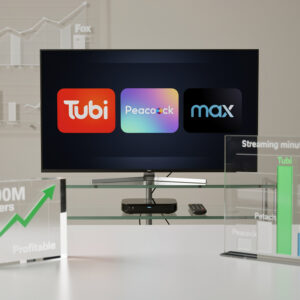
Tubi’s Free Ride: How Fox’s Ad-Supported Upstart Outpaces Peacock and Max

In the fiercely competitive streaming arena, Fox Corp.’s Tubi is surging ahead with a model that defies subscription fatigue. The free, ad-supported service topped Peacock and Max in November viewing share, according to Nielsen’s latest Gauge report, marking a pivotal shift as paid platforms grapple with churn. Tubi, acquired by Fox in 2020, now commands a growing slice of total U.S. streaming minutes, drawing younger viewers to its vast library of movies and shows.

Fox executives highlight Tubi’s profitability milestone this year, fueled by 100 million monthly active users. “Tubi has reached profitability for the first time,” Fox Corp. CEO Lachlan Murdoch noted in recent earnings calls, crediting strong ad revenue growth. The platform’s appeal lies in its no-cost access, contrasting with rivals burdened by content licensing expenses.

Tubi’s Viewer Surge Unfolds

Nielsen data shows Tubi capturing 1.8% of all TV viewing in November, edging out Peacock’s 1.7% and Max’s 1.6%. This performance places Tubi among the top non-YouTube streamers, behind only Netflix, Prime Video, and YouTube. Posts on X from industry watchers echo the buzz, with users noting Tubi’s overtake of Disney+ in prior months, as reported by CNBC.

The service’s content strategy emphasizes niche appeal: classic films, anime, and original programming like ‘HouseBroken.’ Tubi’s algorithm personalizes recommendations aggressively, boosting session lengths to rival premium services. Advertisers are responding, with brands like Procter & Gamble increasing spend on the platform’s targeted inventory.

Ad Revenue Engine Accelerates

Tubi’s ad business hit $700 million in annual run-rate revenue, per Fox filings, driven by millennial and Gen Z demographics that command premium CPMs. “Our engagement metrics are on par with the best SVODs,” Tubi CEO Anjali Sud told analysts. Unlike FAST peers like Pluto TV, Tubi invests in exclusives, including Tubi Originals that have amassed millions of views.

Expansion beyond the U.S. is underway, with launches in Canada, Australia, and Latin America adding to its global footprint. Fox’s synergies—leveraging Tubi for Fox News clips and sports highlights—enhance dwell time, per internal metrics shared in investor presentations.

Challenges from Paid Powerhouses

Yet, Tubi faces headwinds. Netflix and Disney dominate with blockbuster originals, while Tubi’s reliance on licensed content exposes it to bidding wars. “Rising rights costs are a drag,” Sud acknowledged in a CNBC interview. Still, its low churn—users stick around for free—gives it an edge over subscription services averaging 8% monthly losses.

Competitors are countering: Peacock bundles with broadband, Max bundles with wireless. Tubi counters with hyper-localization, tailoring feeds by zip code for regional ads and content. X discussions highlight user praise for its interface, often calling it “the free Netflix” in viral threads.

Demographic Shift Reshapes Habits

Gen Z and millennials, Tubi’s core, shun subscriptions amid economic pressures, per Nielsen. The service’s 250,000+ titles dwarf many paid libraries, with hits like ‘The Matrix’ and ‘Yellowstone’ driving spikes. Fox reports average daily usage nearing two hours per user, competitive with Prime Video.

Tech innovations underpin growth: AI-driven personalization and server-side ad insertion minimize latency. Partnerships with Roku and Amazon Fire TV ensure prime placement, capturing cord-cutters. The New York Times notes similar free platforms gaining in daytime slots, a trend Tubi exploits.

Monetization Mastery in Focus

Advertisers value Tubi’s first-party data, enabling precise targeting without cookies. Revenue per user climbed 25% year-over-year, Fox disclosed. Sud emphasized in earnings: “We’re scaling profitably while others burn cash.” This contrasts with Warner Bros. Discovery’s Max, posting streaming losses despite viewership.

Tubi’s international push targets 500 million users by 2027, per strategy outlines. Acquisitions like Buttershaw Media bolster local content. On X, executives like Sud celebrated milestones, with posts garnering thousands of engagements.

Strategic Acquisitions Fuel Momentum

Fox’s $350 million buyout of Tubi positioned it as an ad-tech play, integrating with Fox’s linear assets. Synergies shine in events like the Super Bowl, where Tubi streams highlights. The Times of India contextualizes Tubi’s rise amid YouTube’s dominance, yet Tubi carves a FAST niche.

Rivals watch closely: Paramount eyes FAST bundles, Disney tests ads on Hulu. Tubi’s edge? Zero acquisition costs. User growth hit 20% annually, outpacing industry averages, per App Annie data referenced in trade reports.

Future Bets and Industry Ripples

Looking ahead, Tubi eyes live sports and news verticals, licensing MLB games and election coverage. Fox plans $1 billion content spend in 2026, prioritizing profitability. As ad markets rebound, Tubi’s scale positions it for outsized gains, challenging the subscription orthodoxy.

Analysts at MoffettNathanson forecast Tubi reaching 2.5% TV share by year-end. For industry insiders, Tubi exemplifies FAST’s maturation, proving free can be fiercely lucrative in a fragmented market.


from WebProNews https://ift.tt/4vwZFs0

Nvidia’s Groq Gambit: Licensing Inference Tech, Poaching Talent in AI Power Play

Nvidia Corp. has struck a non-exclusive licensing deal with AI inference startup Groq Inc., gaining access to its specialized chip technology while recruiting key executives, including founder Jonathan Ross and President Sunny Madra. The move, announced on December 24, 2025, allows Nvidia to integrate Groq’s innovations into its sprawling AI ecosystem without a full acquisition, as Groq pledges to operate independently under new CEO Simon Edwards.

The agreement underscores Nvidia’s strategy to bolster its dominance in AI inference—the process of deploying trained models for real-world applications—amid intensifying competition from rivals like Amazon.com Inc. and Alphabet Inc. Groq, known for its Language Processing Unit (LPU) chips that promise faster and more efficient inference than traditional GPUs, will see its technology licensed to accelerate Nvidia’s offerings at global scale, according to a Groq blog post.

Groq’s Rise as Inference Challenger

Groq, founded in 2016 by Jonathan Ross—a former Google engineer who led the Tensor Processing Unit (TPU) team—has disrupted the AI chip market with its LPU architecture. Unlike Nvidia’s graphics processing units optimized for both training and inference, Groq’s deterministic design prioritizes low-latency inference, enabling applications like real-time chatbots and voice assistants. The startup raised over $1 billion from investors including Chamath Palihapitiya, fueling rapid expansion of GroqCloud data centers.

In a post on X, Palihapitiya reminisced about investing in Groq pre-incorporation in 2016, posting a photo with Ross and noting, ‘Taken Sep 1, 2016 when @JonathanRoss321 convinced me we could take on the giants, build new silicon and that AI was coming.’ This deal validates Groq’s trajectory, even as it cedes talent to Nvidia.

Deal Mechanics and Executive Shuffle

Under the pact, Nvidia licenses Groq’s inference IP non-exclusively, meaning Groq retains rights to develop and sell its own chips. Ross, Madra, and select team members join Nvidia to ‘advance and scale the licensed technology,’ per the Groq announcement. Simon Edwards, previously Groq’s COO, assumes CEO duties, ensuring continuity for GroqCloud customers.

The Wall Street Journal reported Nvidia’s agreement ‘furthers its investments in companies connected to the AI boom,’ citing sources familiar with the matter (WSJ). This ‘acqui-hire lite’ mirrors Big Tech trends, avoiding antitrust scrutiny while securing talent and tech, as noted by Reuters.

Inference Wars Heat Up

AI inference demand surges as models like OpenAI’s GPT series shift from training to deployment, straining GPU resources. Groq claims LPUs deliver 10x speed and lower costs, attracting developers via GroqCloud’s API. Nvidia, facing supply constraints, views this licensing as a shortcut to counter challengers. CNBC speculated on a $20 billion asset deal but clarified it’s licensing-focused (CNBC).

Data Center Dynamics highlighted Nvidia hiring Groq’s leadership to embed LPU-like efficiencies into its Blackwell platform (DCD). Posts on X from industry observers like Gergely Orosz noted the deal’s implications for open inference standards.

Strategic Implications for Nvidia

For Nvidia, this bolsters inference amid CEO Jensen Huang’s warnings of a ‘once-in-a-generation’ AI opportunity. Integrating Groq tech could enhance Nvidia’s Inference Microservices, reducing latency for edge AI. Bloomberg reported the deal grants Nvidia rights to ‘add a new type of technology to its products’ (Bloomberg).

Groq’s independence preserves competition; its blog emphasized ‘GroqCloud will continue to operate without interruption.’ Investors like Palihapitiya celebrated on X, signaling endorsement despite talent exodus.

Groq’s Path Forward

With Edwards at the helm, Groq eyes U.S. Department of Energy partnerships for energy-efficient compute, as per recent X posts. Digitimes Asia framed the deal as Nvidia leveraging Groq’s accelerator tech for broader AI adoption (Digitimes).

Business Insider detailed the talent grab, including Ross’s Google pedigree, positioning Nvidia to dominate inference engineering (Business Insider). TechCrunch warned this cements Nvidia’s chip manufacturing lead (TechCrunch).

Broader Industry Ripples

The New York Times described it as adding to Nvidia’s AI chip heft (NYT). As AI shifts to inference, expect more such pacts; Groq’s LPU could spawn hybrid Nvidia chips by 2026.

Market reactions were muted on Christmas Eve, but analysts predict uplift for Nvidia shares. Groq’s survival as indie operator challenges narratives of inevitable buyouts.

Technical Deep Dive on LPU Tech

Groq’s LPU uses a spatial array of tensor cores with compiler-optimized scheduling for predictable inference, contrasting GPU’s sequential processing. Licensing lets Nvidia adapt this for CUDA ecosystems, per Groq’s site.

This fusion could yield sub-millisecond latencies, vital for agentic AI. Industry insiders on X buzz about potential Nvidia LPU-GPU hybrids revolutionizing hyperscale deployments.


from WebProNews https://ift.tt/42rALqz

Wednesday, 24 December 2025

Trump’s Visa Hammer Hits EU Censor Pushers: Breton Barred

In a bold escalation of the transatlantic tech clash, the U.S. State Department has imposed visa restrictions on five prominent Europeans, including former EU Commissioner Thierry Breton, accusing them of orchestrating a campaign to coerce American social media platforms into suppressing dissenting voices. The move, announced on December 23, 2025, targets individuals the Trump administration deems central to a ‘global censorship industrial complex’ that has pressured U.S. firms to censor what officials call ‘truthful comments’ on issues like disinformation and hate speech.

Secretary of State Marco Rubio laid out the rationale in a pointed post on X, declaring, ‘For far too long, ideologues in Europe have led organized efforts to coerce American platforms to punish American viewpoints they oppose. The Trump Administration will no longer tolerate these egregious acts of extraterritorial censorship.’ The State Department’s formal announcement detailed visa ineligibility for the group, citing their roles in pressuring platforms to suppress American viewpoints through regulatory threats and disinformation campaigns.

Targets of the Restrictions

The five individuals now face U.S. entry bans: Thierry Breton, former EU internal market commissioner known for his aggressive oversight of Big Tech; Renate Nikolay, a former EU Commission official; and three activists—Stella Creasy (UK MP), Imran Ahmed (head of Center for Countering Digital Hate), and another unnamed figure tied to anti-disinformation efforts. American Greatness reported that Breton, in particular, had repeatedly threatened fines against platforms like X unless they complied with EU content rules, actions U.S. officials view as extraterritorial overreach.

Breton fired back swiftly, labeling the ban a ‘McCarthyite witch hunt’ in statements covered by multiple outlets. The State Department specified that these figures ‘worked directly with European governments to coerce U.S. tech platforms into censoring or suppressing American viewpoints,’ pointing to Breton’s 2022 letters to Twitter and Meta demanding action on ‘hate speech’ and ‘disinformation’ ahead of elections.

Backdrop of Transatlantic Tensions

This action builds on months of friction. Earlier in 2025, Rubio announced a broader visa policy targeting foreign officials complicit in online censorship of Americans, as noted in his May X post. The EU’s Digital Services Act (DSA), enforced by Breton until his term ended, has fined platforms billions, including a recent €140 million penalty on X, which Rubio decried as an ‘attack on all American tech platforms.’

U.S. officials argue Europe’s regulatory model exports censorship by design. The New York Post highlighted how the banned individuals allegedly coordinated with NGOs to flag content for removal, pressuring firms to demonetize or deplatform users expressing conservative views on migration, COVID policies, and elections—content the U.S. deems protected speech.

European Backlash Ignites

Europe’s response was immediate and fiery. France ‘condemned in the strongest possible terms’ the ban on Breton, per Newsmax. Germany and the EU Commission echoed outrage, with Brussels warning of ‘swift and decisive’ retaliation. EU tech chief Henna Virkkunen called it ‘unacceptable interference,’ while French Foreign Minister Jean-Noël Barrot labeled it a breach of alliance norms.

The Daily Mail detailed how UK MP Stella Creasy, also targeted, slammed the U.S. for hypocrisy amid its own content moderation debates. EU officials frame their rules as vital safeguards against online harms, not censorship, insisting DSA compliance protects users without targeting viewpoints.

Tech Industry Ramifications

For Silicon Valley, the bans signal a hardening U.S. stance against foreign regulatory pressure. Platforms like Meta and X have chafed under EU demands, with X’s Elon Musk publicly battling Breton over content policies. Insiders say this could embolden non-compliance; one tech executive told American Greatness the move ‘draws a red line’ against extraterritorial fines.

Legal experts predict court challenges. The State Department’s authority under Section 212(a)(3)(C) of the Immigration and Nationality Act allows visa denials for security threats, here defined as censorship campaigns undermining U.S. free speech. Precedents include Brazil visa actions against officials censoring X.

Geopolitical Stakes Escalate

Beyond visas, this pits U.S. First Amendment absolutism against Europe’s precautionary approach. Rubio’s December 5 X post tied EU fines to broader assaults on American sovereignty, vowing an end to ‘censoring Americans online.’ With Trump allies pushing data localization and anti-DSA legislation, reciprocal measures loom—EU threats of trade probes or mirror bans.

Current web searches reveal deepening divides: Reuters reports EU vows ‘proportional response,’ while Al Jazeera notes five total barred for ‘censoring American viewpoints.’ Guardian coverage frames it as a U.S. attack on regulators combating hate, underscoring narrative splits.

Inside the Censorship Allegations

State documents cite specific instances: Breton’s pre-2024 election letters to CEOs demanding ‘systemic change’ to quash disinformation; Nikolay’s NGO coordination flagging U.S.-origin content; Ahmed’s CCDH reports leading to advertiser boycotts. New York Post details how these efforts allegedly suppressed truthful reporting on EU migration crises and vaccine skepticism, deemed ‘hate’ under DSA.

X sentiment, per recent posts, cheers the crackdown—Rubio’s announcement garnered millions of views—with users hailing it as payback for perceived biases. Tech insiders whisper of internal platform relief, fearing endless compliance costs.

Future Flashpoints Ahead

Looking forward, expect intensified DSA enforcement clashing with U.S. pushback. Trump’s team eyes Magnitsky-style sanctions on enablers, per Rubio hints. For industry pros, this redraws compliance maps: U.S. firms may prioritize American law, risking EU markets. Transatlantic talks, already strained by trade and China, now face free speech as battleground.

Breton’s ban, personal yet symbolic, underscores the rift. As one analyst in CNBC reports put it, ‘Washington views EU rules as a Trojan horse for ideological control.’ With appeals pending and retaliation brewing, the tech regulation wars enter a visa-barred new phase.


from WebProNews https://ift.tt/F8TEPAw