
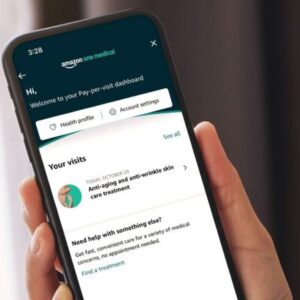
In the early days of digital medicine, a video call with a doctor felt like a futuristic novelty—a “nice to have” for people with tech-savvy lifestyles or long commutes. However, as we move through 2026, the landscape has shifted fundamentally. What was once a temporary workaround has matured into a sophisticated, permanent pillar of the modern healthcare system. We are no longer just “skyping” with physicians; we are engaging in a highly integrated, data-driven ecosystem that prioritizes patient comfort without sacrificing clinical accuracy.
The true beauty of this evolution is the removal of the physical barriers that once dictated our health outcomes. Whether you are managing a chronic condition from a rural farmstead or seeking a quick consultation during a busy workday, scheduling a telehealth appointment has become the most efficient way to maintain a pulse on your well-being. By merging high-definition video with real-time biometric data, the digital clinic is officially closing the gap between “convenient” and “comprehensive” care.
The Rise of the “Hospital-at-Home”
One of the most significant shifts in 2026 is the expansion of “Hospital-at-Home” programs. Thanks to advancements in remote patient monitoring (RPM), doctors can now track vital signs like blood pressure, heart rhythm, and oxygen levels with hospital-grade precision—all while the patient sits on their own sofa.
These devices are no longer clunky or difficult to use. Modern wearables and cellular-enabled monitors automatically transmit data to clinical command centers, alerting medical teams to potential issues before they become emergencies. This proactive model is a game-changer for chronic disease management, significantly reducing hospital readmissions and allowing seniors to age in place with a level of security that was previously impossible.
Specialized Care Without the Safari
In the past, seeing a specialist often involved a “safari” to a major metropolitan area, including hours of travel, hotel stays, and time off work. Telehealth has effectively decentralized expertise.
- Behavioral Health: Access to mental health professionals has skyrocketed, as the privacy of a home setting often encourages patients to seek help sooner.
- Neurology and Cardiology: Specialists can now review imaging and monitor cardiac devices remotely, ensuring that patients in underserved areas receive the same standard of care as those living next door to a university hospital.
- Rural Equity: For the 15% of the population living in rural communities, virtual care is more than a convenience—it is a lifeline. By eliminating transportation costs and specialist shortages, telehealth is actively reducing the health disparities that have plagued rural America for decades.
According to data from the American Medical Association, certain specialties like psychiatry and neurology now conduct a significant portion of their weekly visits via video, proving that the digital medium is perfectly suited for complex, longitudinal care.
Artificial Intelligence: The Silent Assistant
As we navigate 2026, Artificial Intelligence has moved from a buzzword to a practical assistant during virtual visits. AI-driven triage tools help patients determine the urgency of their symptoms before they even connect with a provider, while ambient listening tools handle the heavy lifting of clinical documentation.
This means that when you are in a virtual session, your doctor is looking at you, not a keyboard. The AI assists in spotting patterns in your historical data, suggesting potential diagnostic paths, and ensuring that your “Golden Record”—a unified, auditable source of your health truths—is always up to date. This level of administrative efficiency is a primary reason why wait times for specialists are finally beginning to shrink.
Stability Through Policy and Regulation
The “policy cliff” that many feared after the pandemic has largely been averted. In early 2026, the Centers for Medicare & Medicaid Services (CMS) finalized new reimbursement codes that acknowledge the value of shorter, data-driven interactions. These permanent regulations provide the financial stability needed for health systems to invest in long-term virtual infrastructure.
The bipartisan support for licensure portability has also gained momentum, allowing doctors to treat patients across state lines more easily. This fluidity is essential for a workforce that is still recovering from the burnout of the previous decade, providing clinicians with the flexibility they need to balance their own lives while maintaining a high volume of patient care.
A Hybrid Future
The goal of digital health was never to replace the physical exam entirely; it was to ensure that the physical exam is reserved for when it is truly necessary. We have moved into a “hybrid” era where your digital front door triages you to the most appropriate setting.
Maybe your initial consultation is virtual, your blood work is done at a local lab, and your follow-up is a quick video check-in. This streamlined flow respects the patient’s time and the provider’s expertise. In 2026, we’ve stopped talking about “telehealth” as a separate category. It’s simply healthcare—smarter, faster, and more accessible than ever before.
from WebProNews https://ift.tt/rNXROI2


No comments:
Post a Comment