Reviving Microsoft’s Phantom Mobile Dream: The Leaked Andromeda OS and What It Means for Tech’s Forgotten Paths
In the ever-evolving world of mobile operating systems, few stories capture the imagination quite like Microsoft’s ill-fated attempts to redefine handheld computing. Recently, a leaked build of Andromeda OS—a project long shrouded in secrecy—has surfaced, allowing enthusiasts to experience what could have been a bold revival of Windows Phone on dual-screen devices. This development, detailed in a report from Digital Trends, offers a rare glimpse into Microsoft’s abandoned ambitions, originally intended for hardware like the Surface Duo. The leak isn’t just a nostalgic footnote; it underscores ongoing debates about innovation, market failures, and the tech giant’s pivot away from mobile dominance.
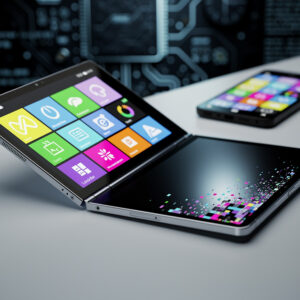
Andromeda OS was conceived as a dual-screen optimized version of Windows, blending the familiar Windows Phone aesthetics with modern capabilities tailored for foldable and multi-screen form factors. According to insights from developers who have tinkered with the build, it features a streamlined interface that echoes the tile-based design of earlier Windows Phone iterations, but with enhancements for productivity on devices that span two displays. This wasn’t merely a software tweak; it represented Microsoft’s vision for a post-smartphone era where computing blurred the lines between phone, tablet, and laptop. The project’s cancellation in 2018 left a void, as the Surface Duo ultimately shipped with Android, a decision that many insiders viewed as a pragmatic but uninspired retreat.
The timing of this leak coincides with renewed interest in Microsoft’s mobile history, fueled by fan projects and community discussions. Posts on X, formerly Twitter, from tech journalists and historians highlight the project’s roots, tracing back to concepts like the Courier tablet that never saw the light of day. One such post recalls how Andromeda aimed to resurrect elements of Windows Phone 8, which shifted to the Windows NT kernel in 2012, marking a significant evolution from its predecessors. This historical thread reveals Microsoft’s pattern of bold experiments followed by abrupt halts, often driven by market pressures and internal reorganizations.
Unearthing Andromeda: From Secret Project to Public Playground
Delving deeper, the leaked build provides hands-on access to features that were prototyped but never commercialized. Users can now install it on actual Surface Duo hardware, thanks to efforts by developers like Gustave Monce, who ported the OS to make it functional. As reported in Windows Central, this port allows for interactions such as gesture-based navigation across dual screens, ink-first input for note-taking, and a radial menu system that feels both innovative and reminiscent of Windows Phone’s people-centric hubs. It’s a testament to what might have been if Microsoft had doubled down on its ecosystem rather than ceding ground to Android and iOS.
Industry observers note that Andromeda’s design philosophy prioritized seamlessness in a multi-device world, integrating deeply with Windows 10 (and later iterations) for continuity across platforms. This approach contrasted sharply with the app silos of competitors, aiming instead for a unified experience where apps could span screens or adapt dynamically. However, challenges like app compatibility and hardware limitations likely contributed to its demise. A Wikipedia entry on Windows Phone version history, accessible via Wikipedia, chronicles how earlier updates like Windows Phone 7.5 (Mango) introduced multitasking and web standards parity, setting the stage for more ambitious projects like Andromeda.
The leak has sparked conversations on platforms like Reddit’s r/windowsphone, where users share experiences and mods, keeping the spirit of Microsoft’s mobile endeavors alive. Recent X posts emphasize the irony: while Microsoft now thrives in cloud and enterprise, its mobile ghosts continue to haunt discussions about what the company could achieve with a dedicated phone OS. This community-driven revival highlights a broader trend where canceled projects gain second lives through leaks and open-source tinkering, challenging proprietary development models.
Echoes of Past Failures and Future Implications
Microsoft’s history with mobile is a saga of high hopes dashed by execution missteps. The original Windows Phone launched in 2010 as a fresh alternative, boasting Live Tiles and social integrations that felt ahead of their time. Yet, as detailed in a fan concept piece from Windows Central about the Windows Astria project, the lack of developer support and app ecosystem ultimately doomed it. Andromeda was poised to address these by potentially supporting Android apps natively, merging Fluent Design with cross-platform compatibility—a hybrid that could have competed in today’s foldable market.
Critics argue that abandoning Andromeda reflected Microsoft’s strategic shift under CEO Satya Nadella, focusing on services over hardware silos. This pivot is evident in current products like Windows 11, where updates emphasize AI and cloud integration, as seen in a Microsoft Support bulletin from December 2025 on Microsoft Support, warning of Secure Boot certificate expirations in 2026. Such forward-looking concerns contrast with Andromeda’s backward glance at mobile innovation, raising questions about whether Microsoft regrets sidelining its phone heritage.
Moreover, the leak arrives amid petitions and online campaigns pleading for Windows Phone’s revival, as noted in another Windows Central article on a Change.org effort that, while tongue-in-cheek, has garnered dozens of signatures. These grassroots movements underscore persistent nostalgia, with users on X reminiscing about unreleased concepts like WinPad from the 1990s, which aimed for PC syncing in a pre-smartphone era. This pattern suggests Microsoft has repeatedly flirted with mobile breakthroughs only to pull back, leaving fans to piece together the fragments.
Technical Insights and Developer Perspectives
From a technical standpoint, Andromeda’s build reveals a lightweight OS kernel optimized for low-power dual-screen devices, incorporating elements like adaptive UI scaling and pen input prioritization. Developers experimenting with it report bugs and incompleteness, yet praise its potential for productivity tasks, such as journaling across screens or seamless app resumption. A Neowin article, found at Neowin, describes how the leak enables emulation on non-Duo hardware, broadening access and inviting broader scrutiny.
Insiders point to internal Microsoft dynamics that led to Andromeda’s cancellation, including competition from Android’s dominance and the failure to secure key app partnerships. This mirrors the broader narrative of Windows Phone’s decline, where despite innovations like Cortana’s early AI integration, market share evaporated. Recent X discussions draw parallels to current foldables from Samsung and Google, speculating that a Andromeda-powered Duo might have carved a niche in enterprise mobility.
The project’s leak also raises ethical questions about intellectual property and security. While Microsoft hasn’t commented officially, the availability of such builds could inspire unofficial forks or influence future designs. For instance, elements of Andromeda’s radial controls echo in modern Windows features, suggesting its DNA lives on subtly in today’s ecosystem.
Broader Industry Reverberations
Looking ahead, the Andromeda leak fuels speculation about Microsoft’s next moves in portable computing. With advancements in AI like Copilot and foldable hardware evolving, there’s chatter on X about potential revivals or spiritual successors. A TechRadar piece critiquing Windows 11’s shortcomings, available at TechRadar, calls for fixes that could indirectly benefit mobile offshoots, such as better multi-screen support.
Comparatively, rivals like Apple continue to iterate on iOS with seamless device integration, while Android’s flexibility has enabled diverse form factors. Microsoft’s detour through Andromeda highlights a missed opportunity to lead in this space, perhaps explaining its current emphasis on partnerships, like with Qualcomm for Arm-based Windows devices.
Ultimately, this leak serves as a bridge between past ambitions and future possibilities, reminding industry players that innovation often thrives in the shadows of failure. As enthusiasts boot up Andromeda on their Duos, they’re not just playing with history—they’re probing the what-ifs that could shape tomorrow’s devices.
Nostalgia Meets Innovation: Lessons for Tech Giants
The enduring appeal of Windows Phone, amplified by this leak, lies in its user-centric design that prioritized glanceable information over endless scrolling. Fan recreations, such as the Astria concept blending Fluent Design with Android app support, illustrate how Andromeda could have evolved into a competitive force. Posts on X from Microsoft watchers like Zac Bowden emphasize the project’s “pen-first” ethos, tailored for creative professionals.
For industry insiders, the takeaway is clear: abandoning projects like Andromeda doesn’t erase their influence. Elements may resurface in unexpected ways, as seen in Windows 11’s evolving features. A Verge report on downloading the build, at The Verge, notes how it was originally meant to differentiate the Duo from Android clones.
In reflecting on this chapter, Microsoft’s mobile journey—from Windows Phone’s launch to Andromeda’s quiet end—offers a cautionary tale about timing, ecosystem building, and the perils of indecision. As 2026 approaches with promises of Windows updates, the leak ensures that Andromeda’s spirit endures, inspiring debates and dreams in equal measure.
from WebProNews https://ift.tt/opJehN9
No comments:
Post a Comment